



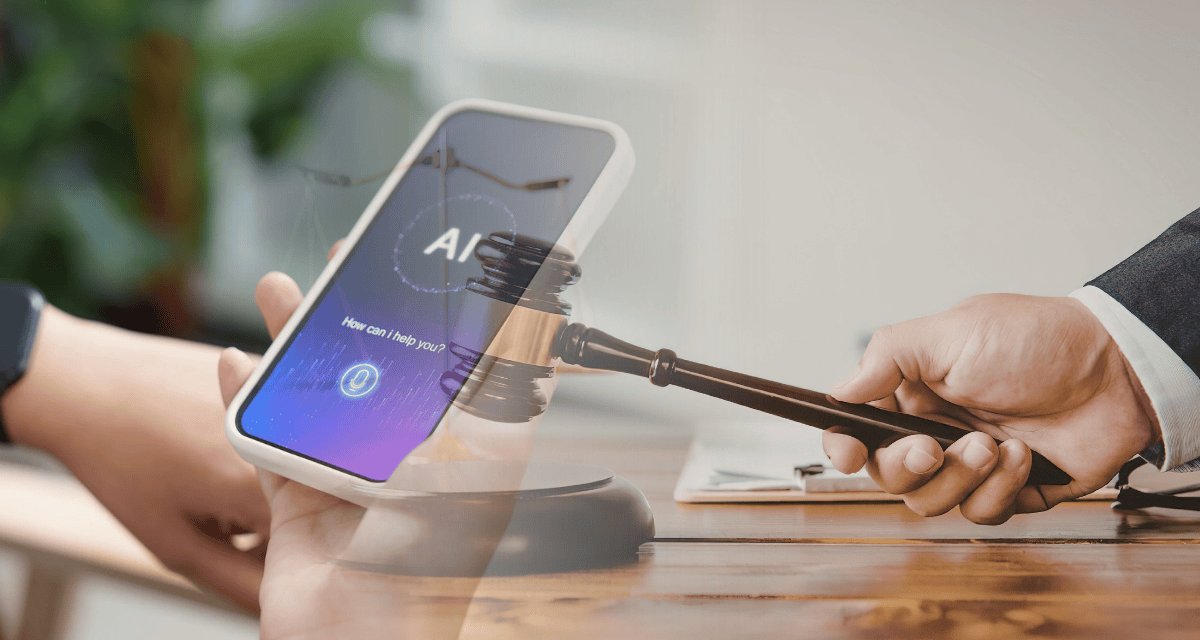
A Kansas patent dispute leads to fines, practice restrictions, and possible professional disciplining after fictitious case citations and legal quotations surface.
In the USA, courts are sanctioning lawyers at a growing pace for filing briefs with AI-generated errors, and a recent Kansas case has become one of the clearest examples of how costly those mistakes can be.
The broader pattern has now topped 1,200 recorded sanctions or penalties worldwide, with about 800 coming from US courts, according to a researcher tracking the cases. In the Kansas patent dispute, a federal judge fined four attorneys a total of US$12,000 after finding that filings had included fictitious quotations and case citations apparently produced by AI, then filed without adequate verification.
The judge has also barred one lawyer from practicing before the court until he completes remediation, and referred him for possible disciplinary action, underscoring how seriously courts are treating unvetted AI use.
The sanctions reflect a basic rule of legal practice: lawyers remain responsible for the accuracy of anything they sign, even if a tool drafted it. Courts have increasingly said that using generative AI without checking citations, quotations, or authorities is not a harmless shortcut but a professional failure.
A growing problem
The Kansas ruling is only one example in a much larger trend. Reuters has reported on a growing wave of sanctions tied to AI hallucinations in legal filings, including a US$2,500 penalty from the 5th US Circuit Court of Appeals, and repeated warnings from judges who say the problem is not easing.
Researchers say the number of known cases keeps rising, and some courts are now considering stronger disclosure rules that would require lawyers to identify AI-assisted material so it can be checked more carefully. Still, observers in the legal profession disagree on whether labeling rules will solve much, since AI is becoming embedded in everyday legal software and workflows.
A legal scholar quoted by NPR said the baseline is simple: attorneys must verify anything AI gives them before filing it with a court. Another commentator warned that overly automated drafting can make it easier for lawyers to miss errors and drift away from the close reading that legal work demands.
The stakes are rising, as courts encounter more fabricated citations, mislabeled drafts, and unexplained AI use. For now, judges appear to be making a point: if lawyers choose to use AI, they must still do the hard part themselves and ensure every citation and quotation is real.