





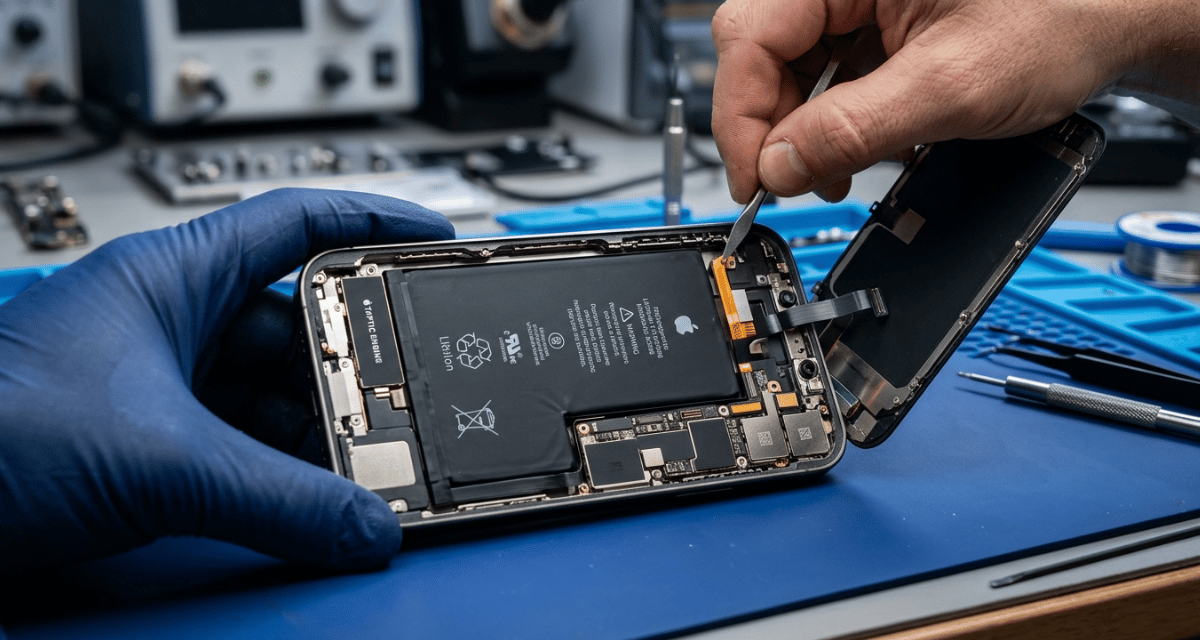
The regulation may reshape how device manufacturers design products for longer shelf life, guaranteed right-to-repair, and encourage an eco-friendly circular economy.
The European Union is moving to require smartphones and other portable devices sold in its market to have batteries that users can remove and replace themselves — a change that could reshape phone design from 18 February, 2027.
The rule is part of the EU Battery Regulation, which aims to improve reparability, extend device lifespans, and reduce electronic waste.
Under the regulation, portable batteries must be readily removable and replaceable by the end user using commercially available tools, without needing specialized tools, heat, or solvents. The battery must also be removable without risk off damaging the device or the battery itself, and manufacturers must provide instructions and safety information for removal and replacement.
In practice, this means manufacturers that have relied on tightly sealed phone designs will need to rethink how they build devices for the EU market.
Which devices are covered
The requirement applies to products that use portable batteries, including mobile phones, tablets, and cordless phones. It also covers light means of transport batteries, such as those used in e-bikes and e-scooters, although those batteries can be replaced by independent professionals rather than ordinary users. The regulation does not force every battery type into the same design, and it includes exemptions where removability would create safety issues or conflict with a product’s purpose.
EU officials say the long-term goal is to:
- make devices easier to repair
- help consumers keep products longer
- reduce the volume of discarded electronics
- support the bloc’s broader circular-economy strategy by making reuse and recycling more practical
Repair shops have long argued that glued-in batteries make routine fixes harder and more expensive, which can push people toward replacing an entire device instead of just the battery.
What manufacturers face
Under the new rules, phone manufacturers intending to market affected products in the EU will need to redesign products or adjust assembly methods so that batteries can be removed with standard tools and swapped without harming performance or safety. They also must keep spare parts available for years after a model leaves the market, which adds another compliance burden.
While the law is specific to the EU, it may influence global product design because manufacturers often prefer building one version of a device for multiple markets rather than creating multiple region-specific models.
Supporters see the measure as a major win for right-to-repair advocates, while manufacturers face a tougher design challenge under the new rules.