



Southeast Asia’s vibrant economy stands at a pivotal moment. With artificial intelligence (AI) poised to redefine how organizations across the region operate and serve customers, the ability to harness the true potential of generative AI (gen AI) hinges on robust underlying infrastructure. Equally important is access to flexible, real-time data architecture that can handle both structured and unstructured data — a critical requirement as AI models need to ingest diverse data types from multiple sources. However, many businesses remain stuck with legacy systems, which impede the rapid adaptability required to succeed in the new AI era.
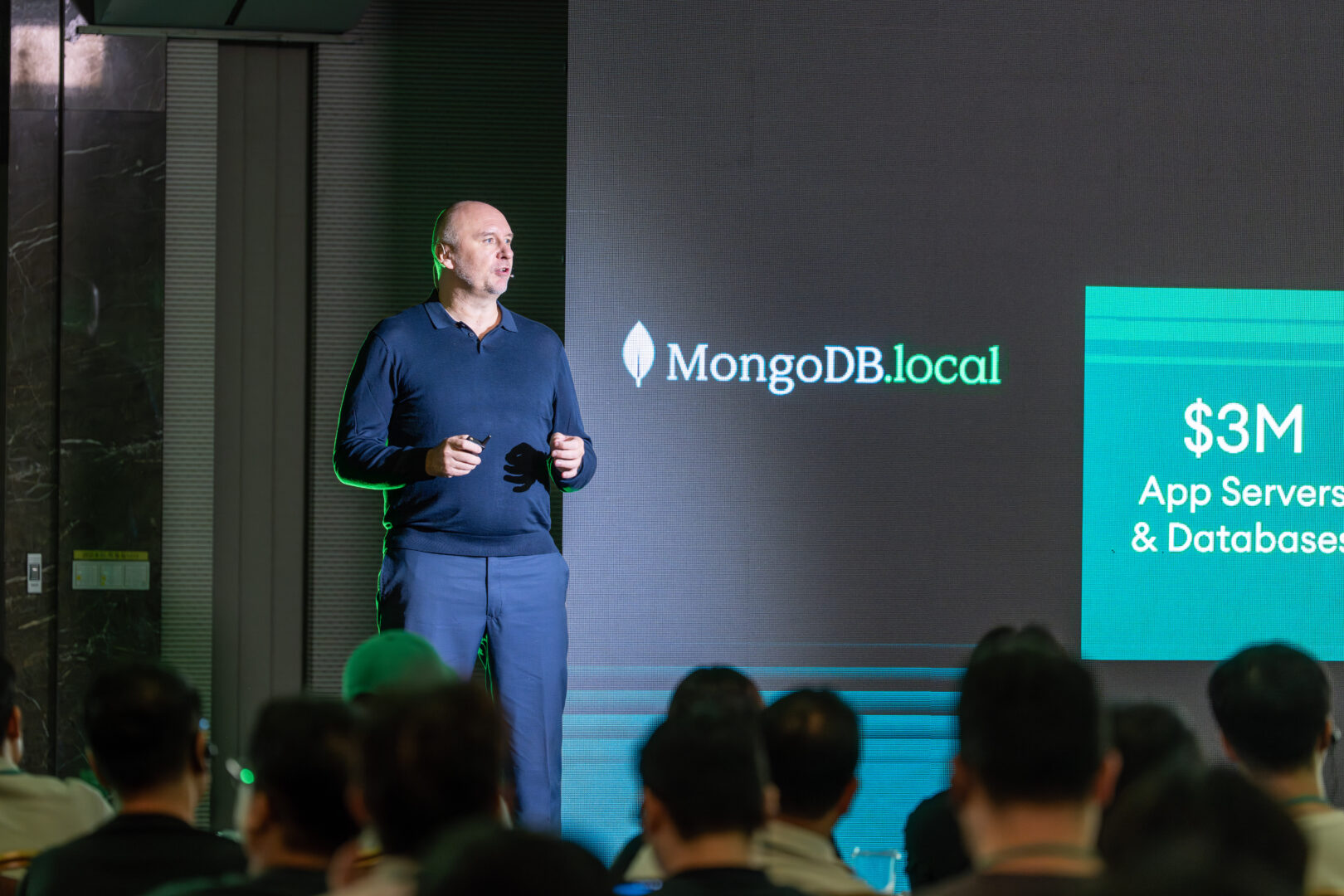
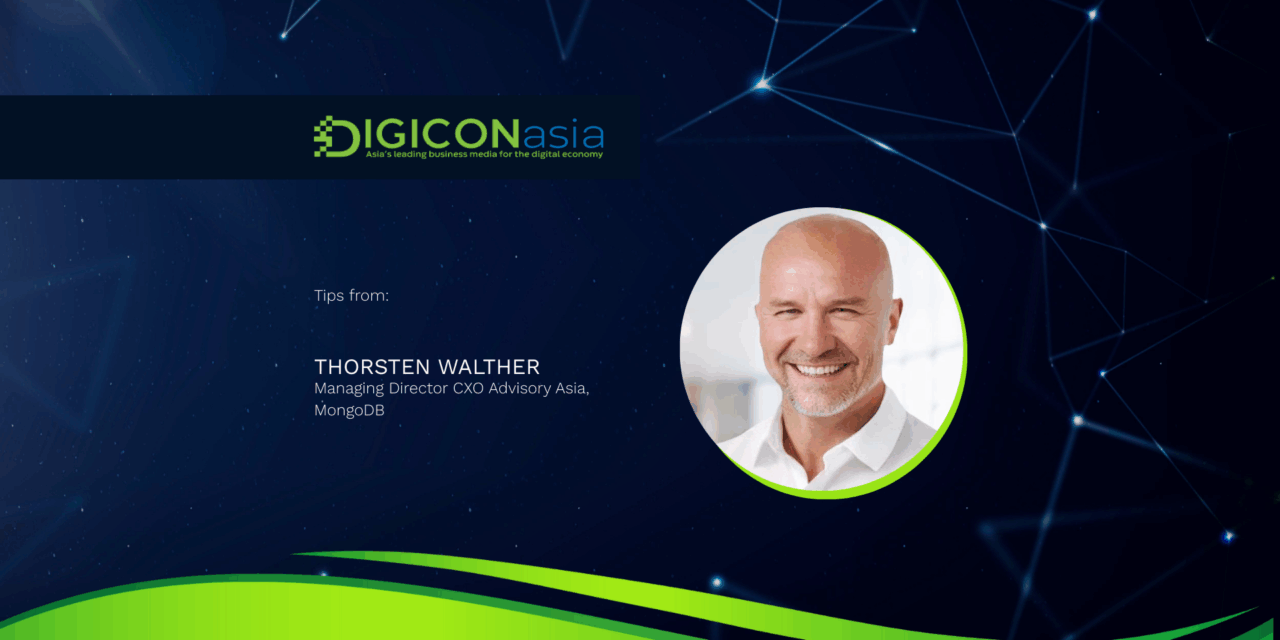
Thorsten Walther, Managing Director CXO Advisory Asia, MongoDB.
The opportunity is massive. AI is projected to contribute up to 18% to ASEAN’s GDP by 2030, which could translate to nearly US$1 trillion in economic value for the region. To capture this growth, businesses must move beyond outdated architectures toward modern, flexible data platforms that enable real-time access and seamless integration across operational systems, streaming data sources, and AI pipelines. Legacy applications, built on rigid architectural foundations, simply cannot support the flexible, multimodal data layer and agile workflows that AI applications require.
The Limits of Legacy Infrastructure
Despite growing excitement around gen AI, many enterprises in Southeast Asia rely on outdated core systems that have accumulated years of technical debt — the compounding cost of past architectural decisions that make systems harder and more expensive to change — and are unfit for real-time data processing or intelligent automation. Recent modernization efforts by regional organizations such as Pertamina, Alfamart, Ahamove, and VPBank underscore how widespread these legacy cores remain in the region.
Many of their systems are built on traditional relational databases — technology created for predictable, structured data, not the dynamic, high-volume data AI depends on. The rigid tables and schemas make change slow and expensive. Every adjustment demands schema redesigns, migrations, and rework, turning what should be agile iteration into a bottleneck.
For years, many organizations have stuck with these systems because the alternative of modernizing seemed too risky, time-consuming, or expensive. Layers of custom code and dependencies only add to the fear of downtime or disruption. Over time, left as they are, these systems have evolved into complex interconnected webs (“spaghetti architectures”) where even minor changes require coordination across multiple systems and teams. For example, a single database change often requires corresponding updates to middleware integrations, application business logic, and user interface components.
Moreover, data silos across departments and fragmented formats obstruct the flow of usable information, severely limiting the performance of AI tools. Without well-integrated, high-quality, and accessible data, gen AI cannot deliver the accuracy, personalization, or predictive capabilities it promises. All of this technical debt inflates risk, slows innovation, and increases the cost of experimentation.
Modernization as a Strategic Enabler
To operationalize AI effectively, enterprises across the region must first transform their technological foundation. This means moving away from monolithic, on-premises systems toward modern, modular, and cloud-based architectures, often incorporating microservices. Modern databases are capable of reacting and adapting in real time and are flexible enough to scale with ease, which is essential to support the continuous evolution required for AI.
Traditional “lift and shift” migrations often move legacy systems built on rigid relational databases straight to the cloud without changing the core architecture, or sometimes simply shift workloads from one relational database to another. Comprehensive full stack modernization takes a different path, allowing organizations to use a flexible document model and AI-powered capabilities to migrate legacy workloads onto a truly modern application and data architecture, future-proofing their operations. This offers Southeast Asia’s enterprises a transformative opportunity to strategically re-architect outdated systems, rather than simply migrating technical debt to another location. This holistic approach empowers enterprises to eliminate inefficiencies and create a solid foundation for continuous innovation, unlocking the full potential of AI.
By consolidating data into unified, accessible formats, organizations across the region can feed gen AI models with the information they need to deliver actionable insights. This transformation is already underway. Many businesses in Southeast Asia are building fast experience layers, adopting microservices, flexible data models, and event-driven architectures to better support AI-driven innovation.
Modernization First, AI Next
To operationalize AI effectively, enterprises across the region must first transform their technological foundation. This means moving away from monolithic, on-premises systems toward modern, modular, and cloud-based architectures, often incorporating microservices. Modern databases are capable of reacting and adapting in real time and are flexible enough to scale with ease, which is essential to support the continuous evolution required for AI.
Traditional “lift and shift” migrations often move legacy systems built on rigid relational databases straight to the cloud without changing the core architecture, or sometimes simply shift workloads from one relational database to another. Comprehensive full stack modernization takes a different path, allowing organizations to use a flexible document model and AI-powered capabilities to migrate legacy workloads onto a truly modern application and data architecture, future-proofing their operations. This offers Southeast Asia’s enterprises a transformative opportunity to strategically re-architect outdated systems, rather than simply migrating technical debt to another location. This holistic approach empowers enterprises to eliminate inefficiencies and create a solid foundation for continuous innovation, unlocking the full potential of AI.
By consolidating data into unified, accessible formats, organizations across the region can feed gen AI models with the information they need to deliver actionable insights. This transformation is already underway. Many businesses in Southeast Asia are building fast experience layers, adopting microservices, flexible data models, and event-driven architectures to better support AI-driven innovation.
Data-Driven Modernization
For many enterprises, modernization begins by strengthening the data foundation that underpins every system, ensuring agility and scalability as they evolve.
One standout example comes from Indonesia’s state-owned oil and gas company, Pertamina, which adopted MongoDB Atlas as part of its transformation journey. Its MyPertamina app has evolved from a simple non-cash fuel payment app into a nationwide digital platform with more than 10 million downloads and 55 million monthly transactions. The app helps users find station locations, make cashless payments, track fuel use, and access promotions.
Alongside MyPertamina, Pertamina also operates Subsidi Tepat, a national digital program that manages government fuel and LPG subsidies. The app verifies eligible users and ensures that energy assistance reaches the right recipients. To date, it has registered more than 14.9 million vehicles and 279,000 LPG merchants.
To unify operations, Pertamina is integrating both apps into a single, data-driven platform to support fairer energy distribution using fully-managed multi-cloud architecture. The company was able to realize 5% savings within the first few months after migration, alongside increased stability and flexibility in managing national-scale systems, and accelerated development cycles, allowing new features to launch in weeks instead of months.
Pertamina’s modernization not just enhances customer experiences but builds the very foundations of customer service technology. With the right data strategy and scalable platform, enterprises can overcome legacy challenges to deliver innovations to market at unprecedented speed.
While Pertamina shows how they transform legacy systems at a national scale, other organizations are using gen AI to reinvent customer engagement from the ground up. One such example is Botnoi, a leading AI technology company based in Bangkok, creating tailored AI assistants and enterprise AI tools to handle customer inquiries, lead generation, or support across web, messaging apps, and social media.
As the volume of messages, voice data, and user interactions grew, Botnoi needed to store and analyze large, varied datasets efficiently. With cutting-edge database technology, Botnoi can manage data like chat histories, voice transcripts, and user profiles, all within a unified system in the cloud. Customers now benefit from more responsive and accurate AI conversations spanning multiple messaging or voice channels. Botnoi’s engineering teams save time on infrastructure maintenance and focus on building new AI features that delight clients, including more than 20 languages support and achieving up to 95 % accuracy in AI responses.
Modernization First, AI Next
Gen AI and legacy modernization are interconnected paths. Without comprehensive modernization, gen AI’s transformation potential will remain underutilized, limited by outdated systems. The best modernization strategies address architectural challenges while using AI itself to make the process faster, cheaper, and highly scalable. By partnering with organizations that deliver the right tools, expertise, and vision can propel Southeast Asian enterprises toward AI-powered transformation with unprecedented innovation, growth and success.