




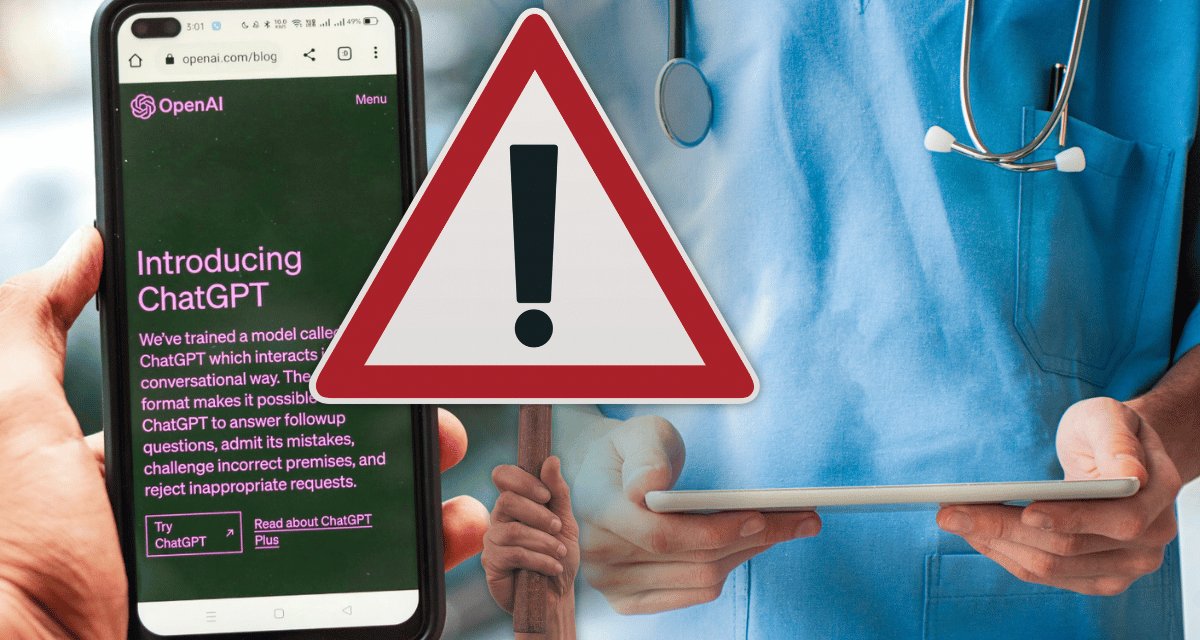
Family claims the chatbot had created a 25-day taper plan, told her to conceal it, and failed to recommend medical consultation
The family of Bowen Wan, a 31-year-old former Amazon software engineer who had epilepsy, has sued OpenAI, alleging that ChatGPT had encouraged her to stop taking a medication that had controlled her seizures and that subsequently could have contributed to her death.
The lawsuit states that Wan had begun using ChatGPT in February 2023, when she was 28 and living in Seattle, far from her home village of Jiangsu in rural China. After severe epilepsy episodes had led to her requiring disability leave from her job, she had asked the chatbot for medical advice, according to a report in People.
According to the legal complaint, Wan had worried that the side effects of lamotrigine, her anti-seizure drug, were affecting her ability to speak English, Mandarin, and the Wu dialect. The lawsuit alleges that ChatGPT’s GPT-4o model had advised her that tapering off the drug would “highly likely” restore her language abilities before job interviews.
The claimants allege that ChatGPT had created a 25-day schedule to reduce Wan’s 400-milligram lamotrigine dose to zero, a plan no physician had prescribed, and something that the drug’s FDA-approved labeling prohibits. The claimants also allege that the chatbot had told Wan not to disclose the reduction plan to her doctor. When her physician ordered a blood test that could have shown her falling lamotrigine level, the suit reveals that Wan had declined it.
Unfortunate aftermath
After Wan did not respond to her family for two days, her parents had then asked a friend in Seattle to check on her. During a video call on 14 February 2026, they learned she had died. The lawsuit says her cause of death was “sudden unexpected death in epilepsy.”
The family argues that ChatGPT had falsely told Wan that tapering was safe and would restore her cognitive abilities, and that it had failed to say it was not qualified to give medical advice or direct her to consult doctors. Her attorney, Benjamin S Schenk, said the complaint alleges that ChatGPT had diagnosed Wan, written a dose-by-dose taper schedule, and revised it after seizures — conduct that he characterizes as the unlicensed practice of medicine in California.
OpenAI, the makers of ChatGPT, said the situation was heartbreaking and that it has worked with clinicians and other experts to strengthen ChatGPT’s responses in sensitive and acute situations. The firm has said ChatGPT is not a substitute for medical care but can help people understand health information, navigate insurance and health systems, and prepare for medical appointments.