





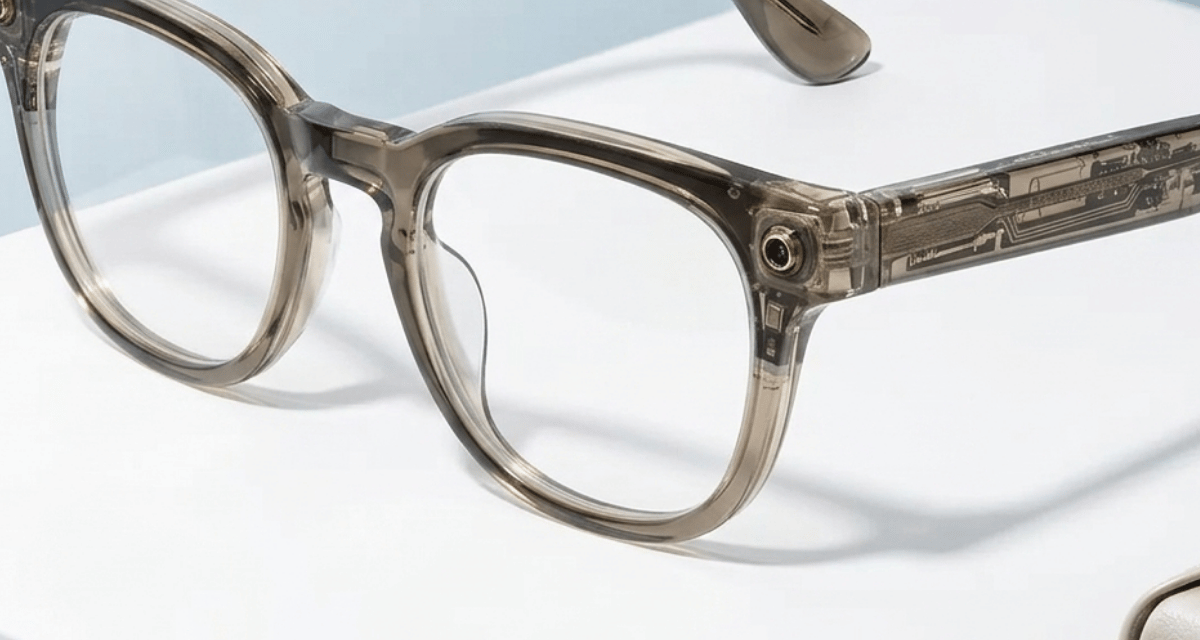
Taking on a new lens at current backlashes facing other smart glass makers, one major player is pondering various workarounds.
According to a recent report from Bloomberg’s Mark Gurman, Apple is rethinking how its upcoming smart glasses will handle built-in cameras, with its internal teams now debating whether to ship the device with no camera at all, or with a camera that cannot capture photos or video.
The hesitation stems in large part from the backlash surrounding Meta’s smart glasses, which have sold millions of units but come under fire after reports that contractors reviewed intimate footage captured by the devices and that images were used for AI training without clear consent.
Apple executives are acutely aware that entering the same category without stronger safeguards could undermine the privacy reputation the firm has cultivated for more than a decade. In response, the firm is exploring a range of hardware and software protections that go beyond what Meta and Samsung have offered. These include:
- favoring on-device processing
- avoiding facial recognition
- rejecting any “super-sensing” mode that would analyze surroundings without clearly activating a recording indicator
- keep the full camera system but disable user-initiated photo and video recording entirely, functioning only as sensors for AI features such as object and place recognition, feeding visual data to Siri’s Visual Intelligence system without storing personal media
- removing the camera hardware altogether, retaining hands-free Siri, music playback, and phone calls while eliminating any recording capability
Even with these precautions, the glasses will enter a contested market where courts in New York State have already banned smart glasses in certain settings; some cruise liners have barred them from casinos, restrooms, and children’s areas; and regulators in Europe are tightening rules around data protection and battery replaceability in wearables.
According to sources, Apple is likely to spend years updating software and working with regulators to manage the social and legal implications of its various products that pose privacy risks.