



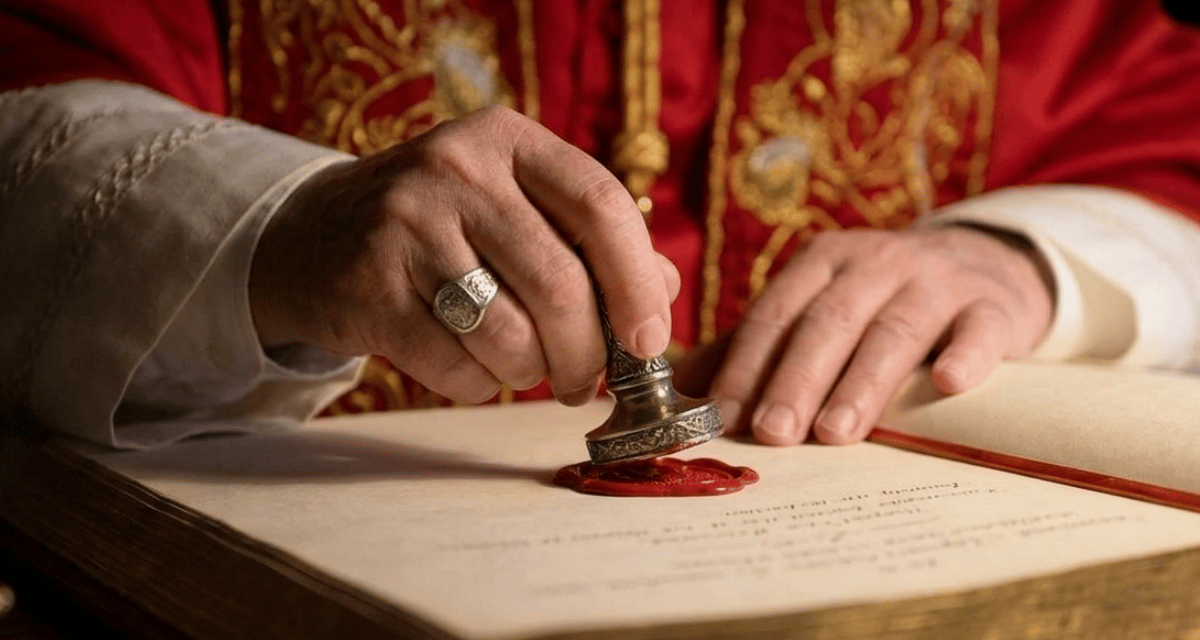
The latest Vatican message reiterates calls for regulation, worker protections, child safeguards, and ethical use amid widespread concerns.
In a recent post on X, Pope Leo XIV sharpened his critique of AI usage, arguing that the technology should not be treated as morally neutral because every system reflects human choices about what to value, ignore, and optimize.
According to the Pope, real accountability is essential in AI development, including clear responsibility for decisions, explainable outcomes, and the ability to challenge and correct harm. The remarks build on the broader message Leo has been developing since early in his papacy.
Vatican sources say he has repeatedly framed AI as a major challenge to human dignity, justice, labor, and society’s ability to remain oriented toward truth rather than efficiency alone.
In one Vatican message, he had described generative AI as opening important possibilities in fields such as healthcare and scientific research, while also raising serious concerns about its effects on openness to truth and beauty and on humanity’s ability to interpret reality. That warning became more explicit in Leo’s first encyclical, Magnifica humanitas, which the Vatican released on the 135th anniversary of Rerum novarum. The document presents AI as a profound challenge to human dignity and a possible driver of concentrated power, urging the technology to serve people rather than dominate them.
BBC has reported that the encyclical also includes a forceful line on warfare, with Leo stating that no algorithm can make war morally acceptable.
The encyclical reaches beyond broad moral language and moves into practical governance:
- It calls for stronger regulation of AI firms, better protections for workers, and safeguards for children and education.
- It also warns that AI could intensify manipulation in politics through fake images and videos, making it easier to distort public debate and harder for citizens to trust what they see.
- Those who build AI carry a special ethical burden because every design choice expresses a view of what human beings are for.
The pontiff’s comments have quickly sparked wider discussion in religious and academic circles. Ethicist Charles Camosy said Leo is not rejecting AI outright but is insisting that people use it deliberately and with the right moral framework rather than racing ahead without reflection.