





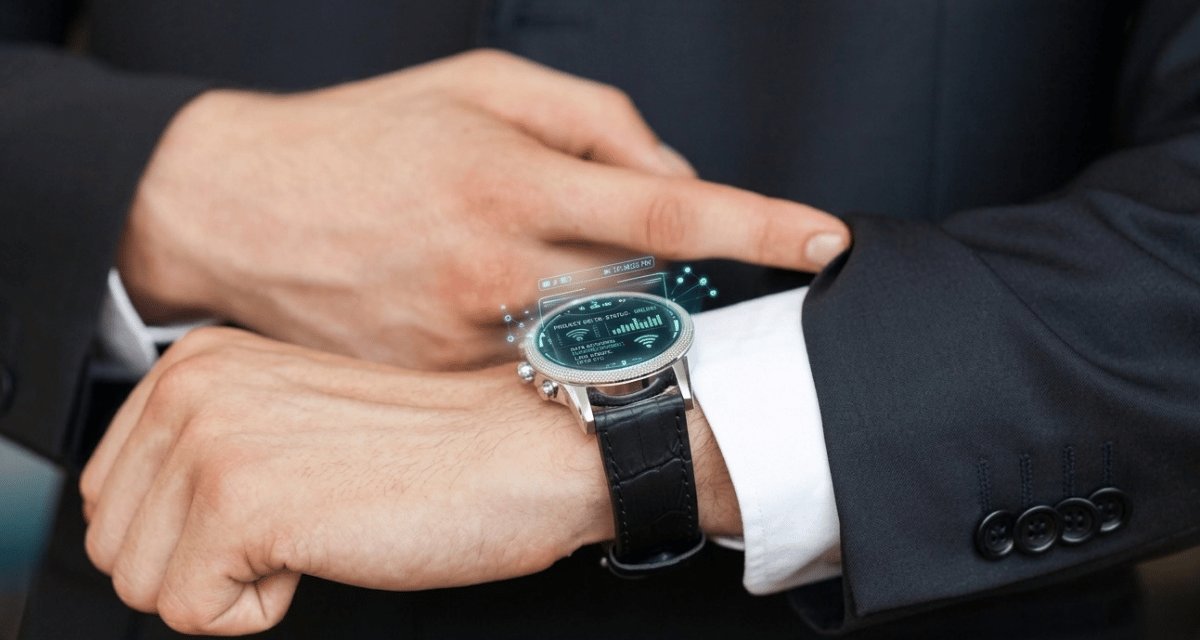
Camera-equipped glasses and smartwatch “always listening” features are prompting regulatory scrutiny over covert recording, workplace restrictions, speaker identification, and compliance obligations.
AI wearables from bigtech firms are intensifying concerns about privacy, consent, and the collection of personal information, according to various reports.
As devices increasingly listen, record, interpret, and summarize activity around their users, regulators, employers, and the public are confronting difficult questions about when recording begins, whether bystanders have agreed to it, and how much data companies should be allowed to gather.
For example, Apple recently introduced a group of smart features on the watches. One of the most prominent tools, Live Rewind, lets users double-press the digital crown to obtain a written transcript of the previous 15 seconds of conversation. Another feature, Siri Recap, creates a broad, bullet-point summary of the wearer’s day.
The firm says the system does not save or expose audio, including to its own systems, maintaining that processing takes place on the watch through its Secure Enclave. Also, the tools are opt-in, and their transcripts do not identify individual speakers. Even so, those assurances have not ended the debate.
Workarounds and hacks considered
TechCrunch editors have observed that such products could make the notion of technology “always listening” seem ordinary. Dan Howley, a technology editor at Yahoo Finance, has characterized the wider development as an “omnipresent recording apparatus.” He has also noted that speaker identification could still be easy in a conversation involving only two people, even when the original audio is not retained.
Another firm, Meta, faces an additional challenge because its fashion smart glasses include cameras. The glasses have reportedly sold more than 7m units worldwide, and they use an LED light to indicate when the camera is recording. However, journalist Joanna Stern had previously reported that people on Facebook Marketplace were offering services to disable the indicator, potentially allowing covert recording. The issue remained controversial when its CEO Mark Zuckerberg mostly avoided addressing it directly while highlighting new privacy measures.
When technology goes out of control
Regulators and legal advisers are now paying closer attention.
In South Africa, attorneys have warned that such products may fall under the Protection of Personal Information Act there. The recommendation is that businesses limit AI-enabled wearables in offices, boardrooms, and areas where they meet clients, while also revising their privacy notices. The devices can be deemed as data-collection tools capable of entering workplaces with their users.
Likewise, European regulators have expressed concerns and requested information from manufacturers about compliance.
As these products become more common, lawmakers and corporations face pressure to update ethical and legal standards for hardware that can operate on a person’s face or wrist while continuously processing the surrounding environment.