
We have landed in the “Human Skills Economy”, where empathy, judgement, creativity and leadership are no longer soft extras but core to business performance.
Many organisations across Asia Pacific are at an inflection point in their AI journey. While AI should support people in their work, not requiring people to put in more effort to make it work, that reassurance does not seem to have fully landed.
At the Singapore International Cyber Week (SICW) 2026 Workforce Development Panel, Senior Minister of State Tan Kiat How brought out a salient point: “We should… be careful about how we think about automation. As AI takes on more routine work, we should also preserve the opportunities through which people build experience and judgement. In other words, we should automate the task, not the learning.”
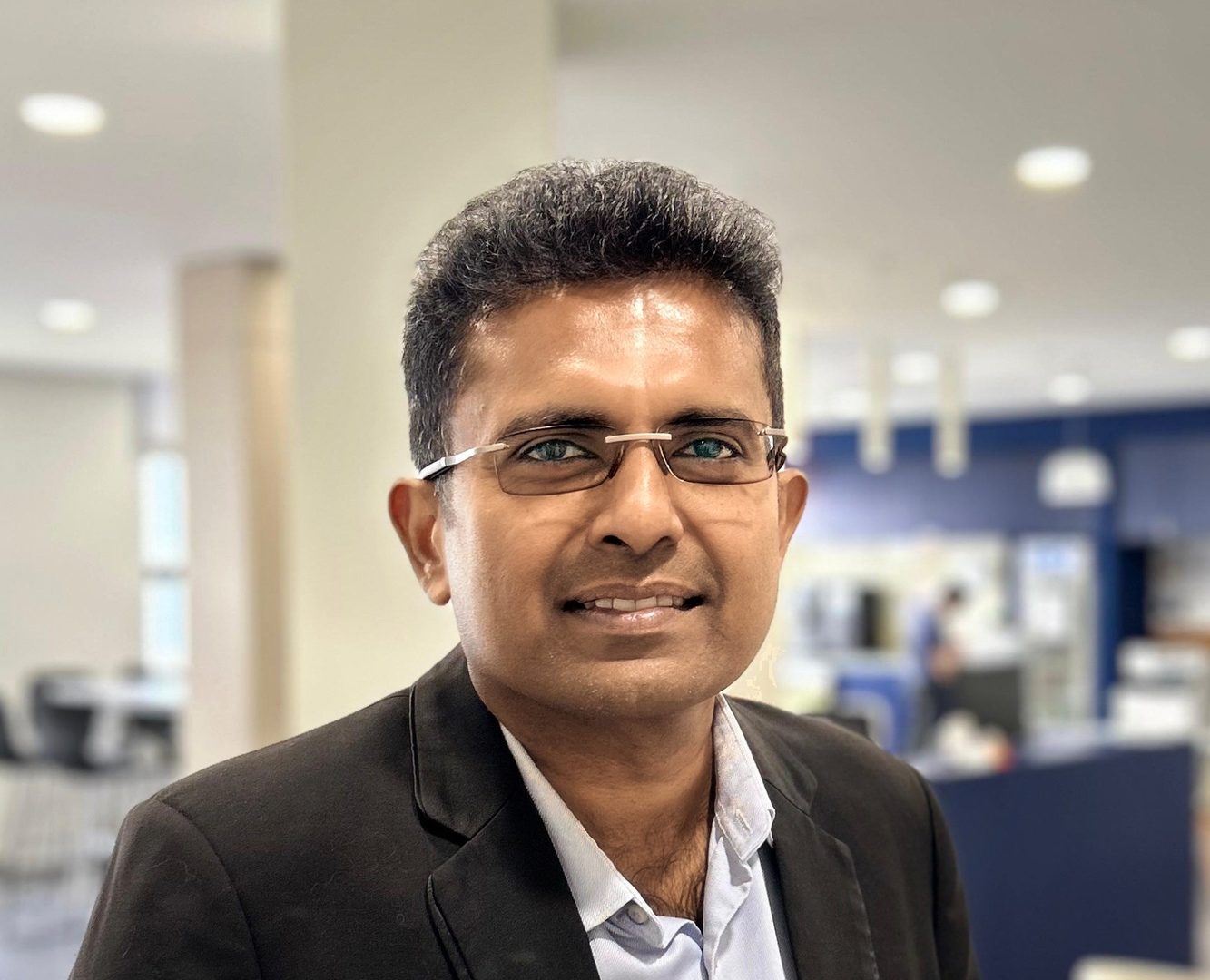
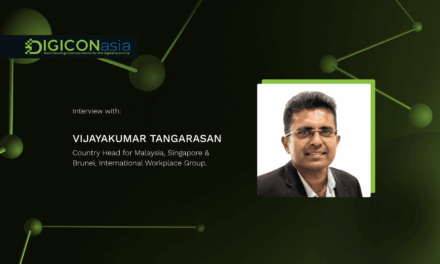
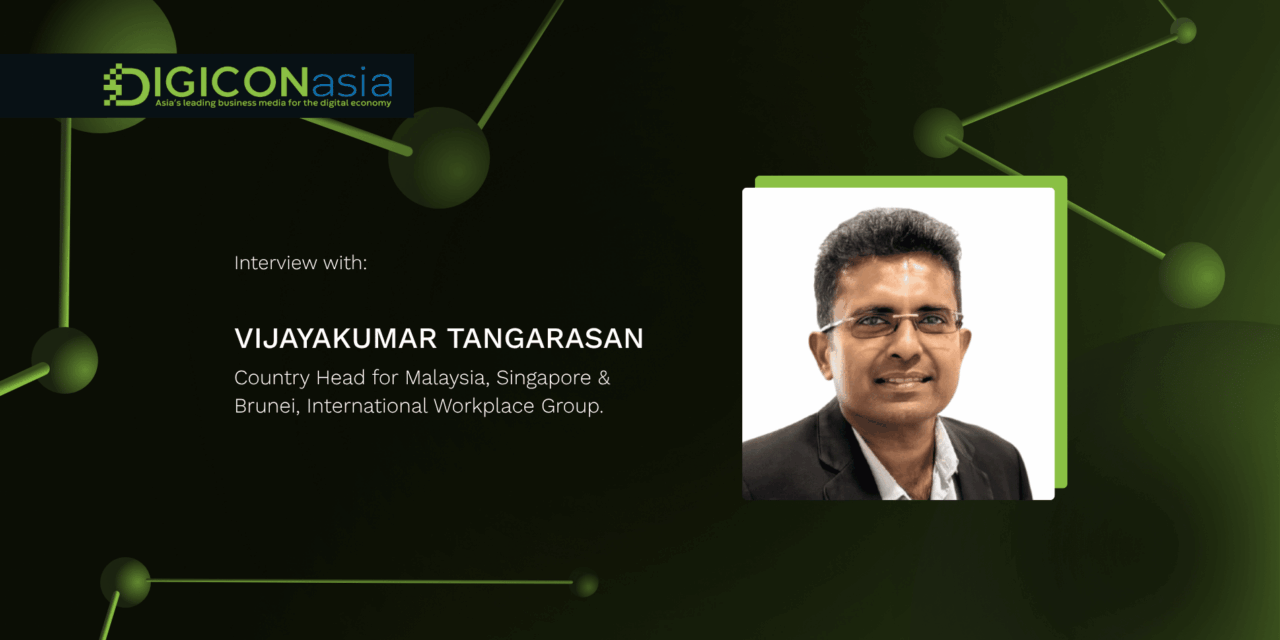
Vijayakumar Tangarasan, Country Head for Malaysia, Singapore & Brunei, International Workplace Group
Key findings from a recent study in Singapore found that:
- 90% of HR leaders said innovation will slow if human capabilities aren’t prioritised alongside AI
- 65% said AI will never replicate human empathy, and 53% said leadership will remain uniquely human
- 66% of HR leaders said a candidate’s ability to demonstrate human skills matters most in hiring, above experience, technical skills and education
- 55% said hybrid workplaces are among the most effective environments for building these capabilities
We discussed the confluence of human skills and AI technologies and its impact on the workforce and workplace with Vijayakumar Tangarasan, Country Head for Malaysia, Singapore & Brunei, International Workplace Group.
Why do you see human skills, and not AI fluency alone, as the real advantage in the AI-driven economy?
Vijayakumar Tangarasan (VT): AI is causing a dramatic shift in the velocity of business, transforming job functions in real time while creating entirely new roles just as quickly. At the same time, it is closing the gap between insight and action, enabling organisations to move from hindsight to real-time decision-making. This shift is already transforming how decisions are made across industries.
What will set organisations apart in this new operating reality is the ability to effectively pair AI with the irreplaceable qualities that humans bring: empathy, judgement, creativity, and leadership.
As a result, AI-fluency is no longer a nice-to-have, but rather a baseline requirement for employees to drive productivity and performance.
According to IWG’s latest Human Skills Economy research, nine in 10 HR leaders say that failing to prioritise human capabilities is an innovation risk. Hiring requirements are already changing to reflect this sentiment, with 66% of HR leaders saying that human skills are the most valuable trait for candidates, ranking above experience, technical skills, and education.
The relationship between human capabilities and AI is a symbiotic one – the success of one depends on the other. While AI can accelerate execution, it is human creativity that unlocks its greatest potential, shaping how it is applied to solve problems, create value, and drive innovation. This performance model of human-AI collaboration is what will generate real business value in the AI-driven economy.
How does a hybrid work environment serve as one of the most effective places to build human skills such as empathy, leadership, and collaboration?
VT: Empathy, leadership, and collaboration can be developed in any work environment, including hybrid settings, with 55% of HR leaders recognising hybrid workplaces as among the most effective environments for building these skills.
That said, what matters more is the intentionality behind how teams communicate, lead, and work together, regardless of the work setting.
How can employers in Asia build a workforce that pairs AI efficiency with human strengths, to thrive in the ‘Human Skills Economy’?
VT: Asia is at a pivotal moment with AI. For instance, the Singapore government is going all-in on the technology through initiatives like the National AI Impact Programme, the National AI Council, and the Tripartite Jobs Council. Active efforts are being made to accelerate AI adoption, while ensuring its gains translate into good jobs and better opportunities for people.
Local surveys show that this urgency is already being felt by workers themselves: 47% of workers in Singapore say they’ve recognised the need to upskill as AI reshapes the workplace.
Employers need to meet this ambition with equal intent. This starts with recognizing that AI fluency and human capability are not competing priorities, but complementary ones. IWG’s research shows that 82% of organizations already offer AI training, yet fewer than half (45%) say they are effectively closing the skills gap, suggesting a significant number of organizations are still lagging in effective AI use.
This means organizations should invest in the right kind of upskilling initiatives, tailored to their unique needs. NTUC’s AI-Ready SG program is a strong example of this, offering industry-responsive pathways adapted to learners’ skill levels, jobs, and sectors.
Additionally, employers should rethink their hiring and development strategies to reflect these complementary priorities. The majority (66%) of HR leaders prioritize human skills over other traits in hiring, with empathy (65%), leadership (53%), and complex decision-making (64%) identified as the qualities AI cannot replicate. A holistic approach to hiring, one that values both AI-fluency, and the softer, human-specific skills, will set employers apart.
Finally, employers should encourage a shift in mindset. Echoing Dr Issac Lim, Social Scientist and Founder of Anthro Insights, a “promotion mindset” is required for long-term success. Rather than focusing on protecting existing jobs, this involves equipping people and organizations with the right tools to create new forms of value.
Ultimately, having AI or advanced technology will not be the indicators of success; the ability to combine human ingenuity and machine intelligence will be.