

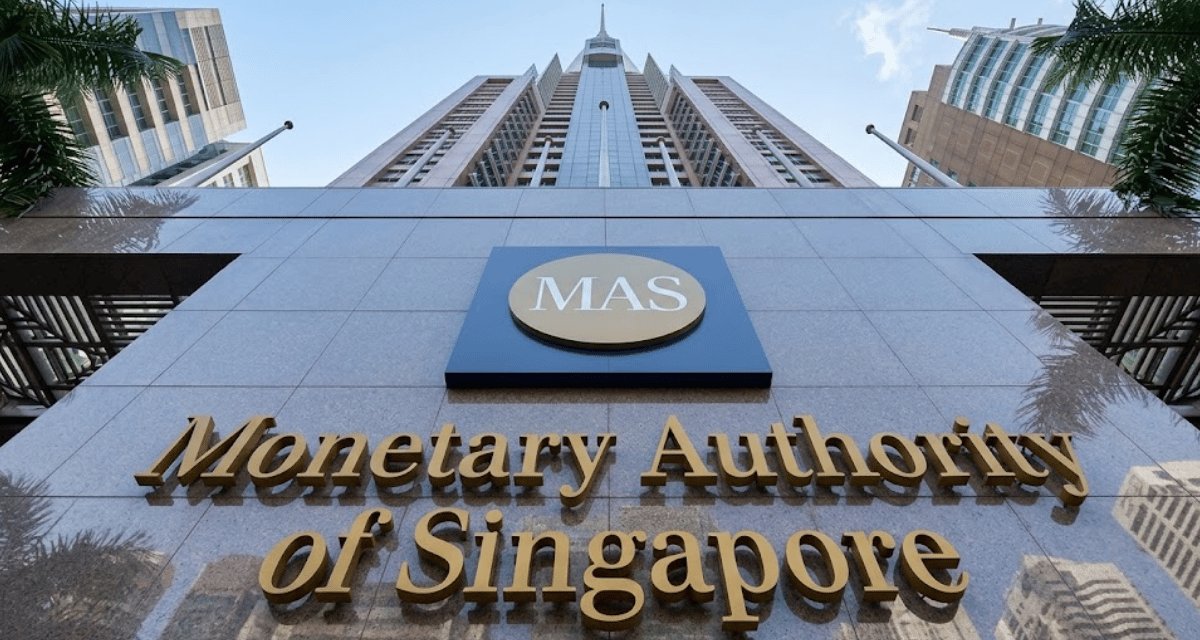
Containerised architecture and automated workflows replace legacy processes supporting the island nation’s real-time gross settlement system
When a national electronic payment system processes high-value interbank transfers, security extends beyond preventing cyberattacks. It depends on the platform’s ability to maintain service availability, apply controlled changes, recover from disruptions, and reduce the operational errors that can arise from aging infrastructure and manual processes.
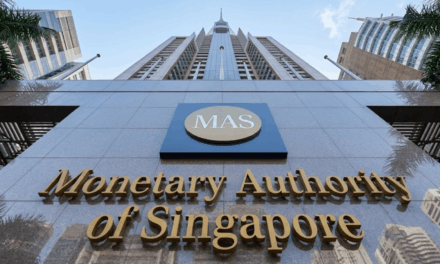
That is why, on a continual basis, the Monetary Authority of Singapore (MAS) has ensured modernization of the infrastructure supporting its Electronic Payment System (MEPS+), Singapore’s real-time gross settlement system for interbank payments. It runs on key requirements of system reliability, recoverability, and controlled operational change.
Notably, at some point, MAS was working with an aging, monolithic environment that had become complex to maintain. The legacy setup also relied on proprietary technologies, which could limit flexibility in how applications were maintained, updated, and expanded.
For a system supporting interbank settlement, manual operating processes and inconsistent deployment practices could increase operational risk. To update the platform, MAS has shifted MEPS+ towards a more modular, container-based architecture and expanded the use of automation. The updating work includes:
- Moving components from a monolithic application environment to containerized infrastructure.
- Using an enterprise Linux operating environment.
- Automating configuration, deployment, and routine operational workflows.
- Standardizing application lifecycle and release-management processes.
- Reducing manual steps associated with operational changes.
- Supporting more consistent infrastructure configuration across environments.
- Establishing a technology foundation that can accommodate future payment-service requirements.
The modernisation was intended to improve the maintainability and operational resilience of MEPS+, while reducing reliance on rigid technology dependencies. Automation can also help reduce the risk of errors associated with repetitive manual processes, although the supplied material does not quantify changes in availability, recovery times, deployment speed, or operational workload.
Overall, the initiative gives MAS a more modular, automated, and open-source-centered foundation for operating MEPS+ and adapting the payment system to future resilience and service requirements. Commercially, this achievement was recognized by a vendor, Red Hat, for innovation in the areas of Digital Transformation and Cloud-Native Development in the region.