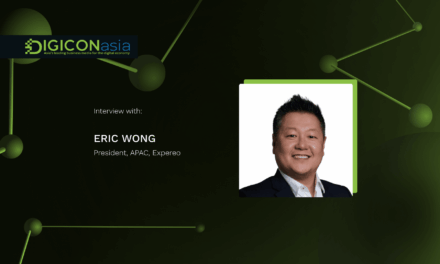



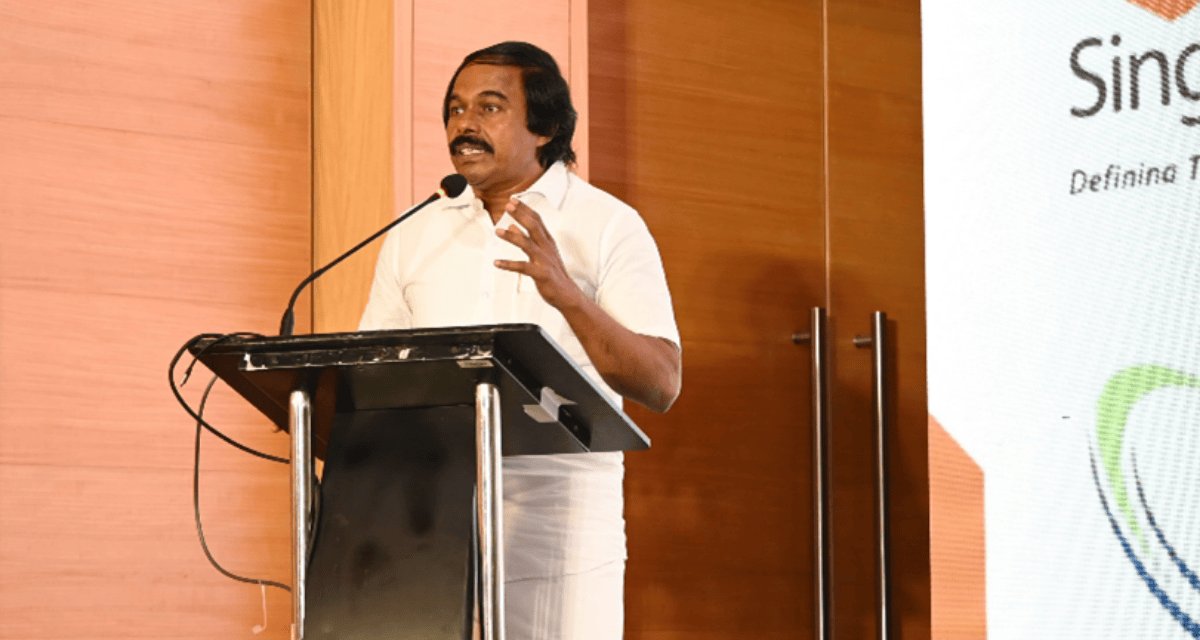
Former Minister for Information Technology and Digital Services, Mano Thangaraj, still envisions this after transiting to Milk and Dairy Development.
As India rushes to digitalize its bureaucracy, the real test of e-governance lies not in replacing paper with screens—but in proving that technology can make power more accountable.
According to Tamil Nadu’s Minister for Milk and Dairy Development, Mano Thangaraj, India’s digital transformation in governance and politics must extend beyond symbolic modernization, and focus on real transparency and inclusivity.
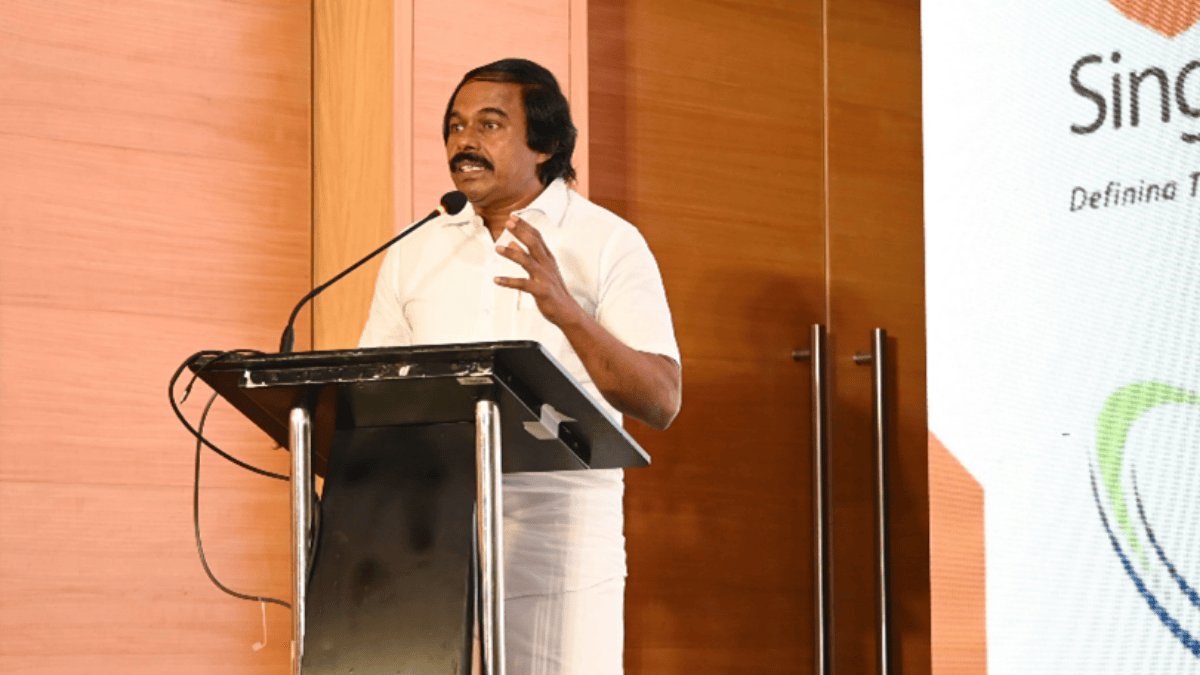
Mano Thangaraj, Former Minister for Information Technology and Digital Services
In an exclusive interview with DigiconAsia.net, Thangaraj, who previously served as Minister for Information Technology and Digital Services, discussed how data-driven initiatives are reshaping both government operations and political outreach.
“From mapping voters to running departments, we depend heavily on data. Digitalizing a government office is not just about replacing a typewriter with a computer. True progress is when technology brings measurable benefits to citizens,” he premised.
From e-sevai to e-budgets
Thangaraj was involved in expanding Tamil Nadu’s e-sevai maiyams (centers that deliver digital government services) and digitalizing parts of the state legislative assembly. He described how technology has streamlined access to public schemes and departmental processes, though India still faces steep challenges in scaling such systems nationwide.
He cited Tamil Nadu’s move to an electronic budget process — where lawmakers access documents through digital terminals in the assembly — as an early step toward paperless governance. “It doesn’t just reduce paper use, it helps us archive announcements and track progress. But the larger goal is to ensure that citizens receive the benefits of every scheme, regardless of socio-economic barriers.”
Digital politics and data strategy
Thangaraj acknowledged that Indian political parties are increasingly turning to data analytics to understand and engage voters. “The first stage of digital adoption for any politician is usually social media,” he said. “Beyond that comes audience segmentation: using data to understand demographics and expectations.”
He argued that with smartphones reaching even rural areas, technology has become “inevitable” in political communication. However, experts note that reliance on data-driven campaigning also raises concerns over voter privacy and the ethical use of personal data — issues not yet fully addressed in India’s election ecosystem.
Cybersecurity and digital trust
On the governance side, Thangaraj urged greater focus on cybersecurity to support the country’s growing digital economy: “Cyber fraud has increased alongside mobile payments. The central government should invest more in awareness and prevention.”
Industry data has indeed shown a rise in reported financial cyber incidents, but analysts caution that underreporting remains widespread, complicating trend analysis.
Learning from global models
Speaking from his experience in the dairy sector, Thangaraj pointed to technology adoption in countries such as Denmark and Sweden, where automation has streamlined livestock management. He said Tamil Nadu’s Aavin milk cooperative plans to pilot sensors that instantly assess milk quality and pricing. “That kind of real-time testing can help reduce adulteration and ensure farmers are paid fairly,” he added.
He also highlighted examples from Dubai’s digital citizen platforms and advances in healthcare technologies such as robotic surgery and early cancer detection, acknowledging that accessibility, not technology itself, defines meaningful progress.
“True success is when such innovations are available even to the economically weaker sections,” he said.
The S.M.A.R.T. principle
In his parting words, Thangaraj concluded that effective e-governance rests on what he calls the Swift, Measurable, Accessible, Responsive, and Transparent principle. “India is a developing nation moving toward a tech-first approach,” he said. “While opportunities are many, ensuring that technology truly simplifies citizens’ lives is the real challenge.”