





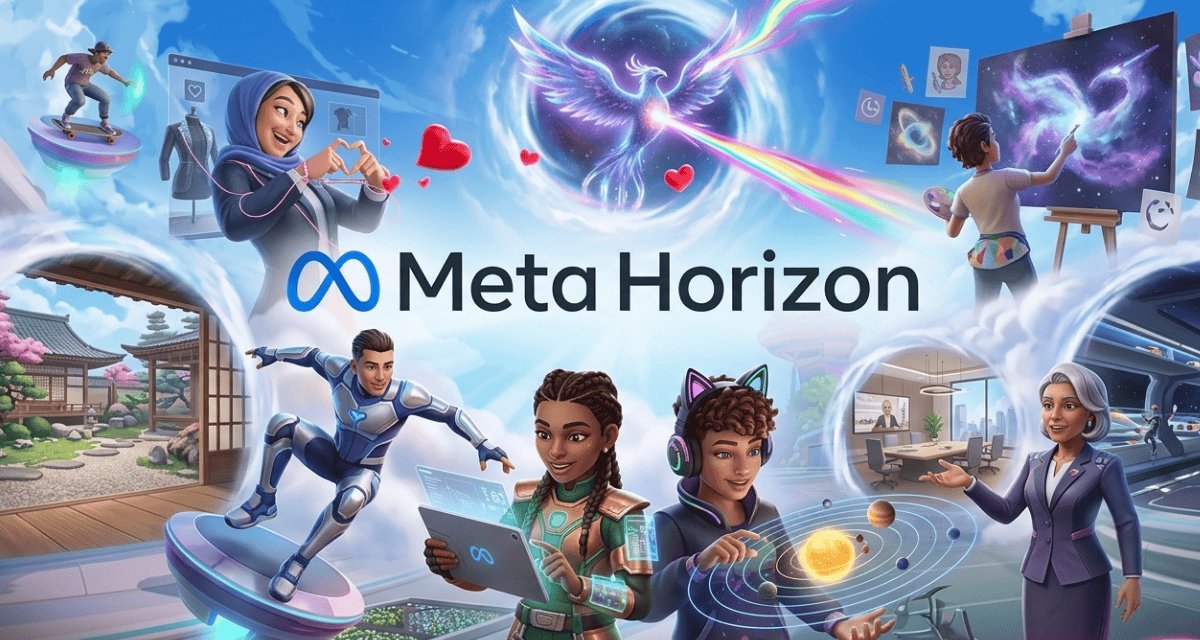
VR headset users to lose access to virtual reality features by mid-June, and the social hub will be for mobile only.
In mid‑June 2026, virtual reality access to the Horizon Worlds social platform on Quest headsets will be ended, according to a Meta announcement. The project will become a strictly mobile product as the firm retreats further from its metaverse push.
By the end of March 2025, the Horizon Worlds app will be removed from the Quest store, and VR access will be fully shut down on 15 June, after which the service will only be reachable through the Meta Horizon mobile app for iOS and Android.
The changes are being pitched as a way to concentrate product teams and engineering resources, so that each can develop independently. In practical terms, individual Horizon Worlds destinations and events will disappear from the Quest ecosystem before the cutoff, with hubs such as Horizon Central and Events Arena already scheduled to vanish from headset listings by the end of March.
Once the removal is complete, VR players will no longer be able to build, publish, update, or visit any Horizon Worlds environments using Meta’s headsets. For existing Quest users, the most immediate consequence is the loss of a first‑party social environment that shipped preinstalled on many headsets and served as a default entry point into Meta’s version of metaverse. Communities that have relied on Horizon Worlds for regular meetups, events, and user‑generated experiences will have to either migrate to the mobile app or move to competing VR social platforms that still support immersive access.
Developers who have invested time in building custom worlds for Horizon’s VR audience will see those environments cut off from headset users, with no option to maintain them in virtual reality after the June deadline. While Meta is encouraging creators to target mobile users instead, the change alters the fundamental design constraints and business logic for those projects, which were originally conceived around presence, hand tracking, and the sense of immersion provided by head‑mounted displays.
From flagship metaverse bet to mobile app
Launched in 2021, Horizon Worlds was introduced as flagship metaverse experience, designed as a cartoonish social hub where users could meet, play games, and create their own virtual spaces, and it sat at the center of Meta’ rebranding away from Facebook. However, the platform has struggled to retain users, and in 2023, it was opened to phone users, leaving Horizon as a more conventional online social and gaming app.
The retreat from VR for Horizon Worlds comes after years of heavy spending and disappointing financial results in Meta’s Reality Labs division, which is responsible for VR headsets, Horizon software, and smart glasses. Reality Labs has accumulated tens of billions of dollars in operating losses since 2020, prompting repeated rounds of job cuts and studio closures as executives look for ways to justify continued investment in immersive hardware.
Alongside the Horizon decision, Meta has pledged to narrow its VR ambitions and lean more on third‑party developers, citing a multiyear funding program meant to support external studios building for Quest. At the same time, the firm has been publicly shifting its narrative towards AI, signaling that AI products and infrastructure now rank ahead of consumer‑facing metaverse apps in its long‑term roadmap.