

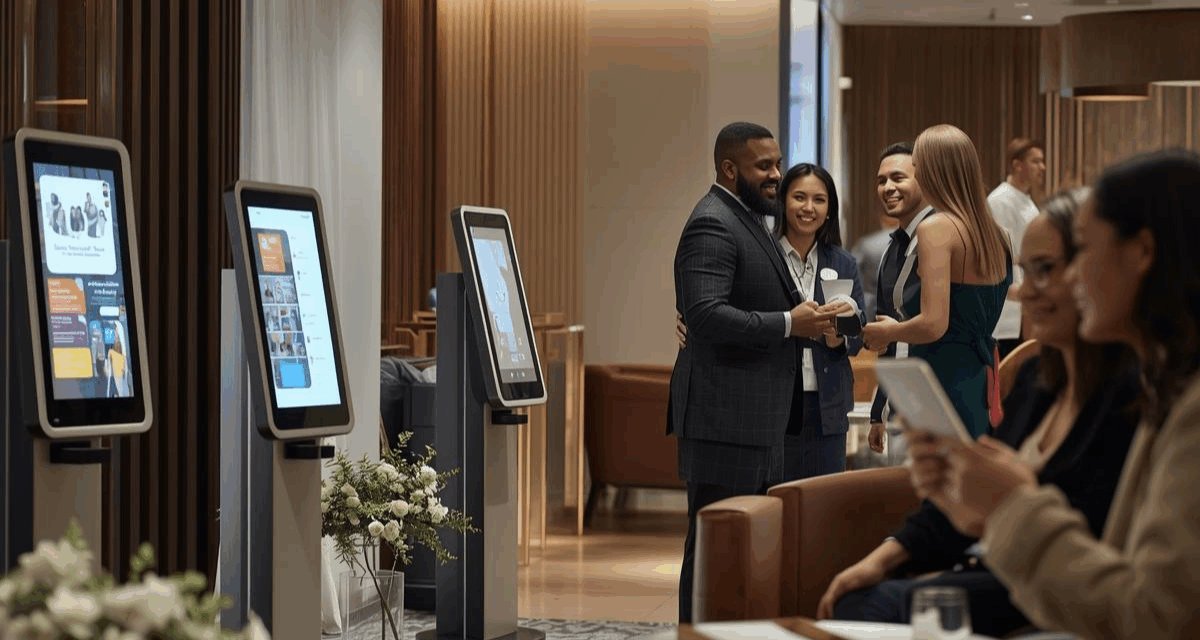
That is what the Langham Hospitality Group did to enhance competitiveness and efficiency across its hotels and resorts worldwide.
AI agents are increasingly being adopted in the hospitality industry to tackle pressing challenges such as staff shortages, operational inefficiencies, and the growing demand for personalized guest services. Traditional automation and management solutions may already be maxxing-out in the digital age.
Take the case of a global hospitality group headquartered in Hong Kong, which was facing challenges in meeting evolving guest expectations due to pandemic and other business disruptions.
The group wanted to digitalize further to enable quick, multilingual access to information, and provide consistent, on-demand operational support to staff, alongside extracting actionable commercial insights in real time across 31 hospitality properties across four continents.
On 27 November 2025, the Langham Hospitality Group (LHG) announced it has implemented a digital transformation with the deployment of an AI toolkit, comprising three AI agents:
- For better customer experiences, a multilingual guest-facing agent handles text inquiries via platforms such as email, WhatsApp, WeChat, and Instagram. The agent can recognize intent and route queries to relevant hotel crew appropriately. Future enhancements include the addition of voice interaction and anticipatory concierge services.
- For enhancing staff knowledge bases and training, an employee-support agent delivers instant answers to operational questions, guiding staff through procedures, ensuring compliance and personalized learning pathways, categorized by role and situation.
- For boosting business insights, a commercial insight agent analyzes booking patterns and guest behavior to provide actionable recommendations on pricing, timing, and targeted offers, with planned future features to forecast demand and dynamically personalize campaigns.
LHG’s CEO Bob van den Oord noted: “Personal and intuitive guest care, strong colleague development, and informed commercial decision-making have always been central to how we operate. These new tools extend that approach by allowing us to respond to the shift in how people access information, whether they’re guests planning a stay, frontline team members sharpening their skills, or marketing executives exploring emerging travel trends.”