




The headless CMS market is undergoing unprecedented growth as organizations shift toward more flexible, composable digital architectures to empower delivery of seamless, omnichannel experiences in an ever-evolving digital landscape.
According to recent market analyses, the global headless CMS software market is expected to surge from US$973.8 million in 2025 to an impressive US$7,113.6 million by 2035, reflecting a robust CAGR of 22.6%.
This dramatic expansion is driven by increasing adoption of omnichannel content delivery strategies, with approximately 73% of businesses already utilizing headless website architecture, a 14% increase since 2021.
As digital leaders plan to increase investments in digital experiences by 25%, the headless CMS approach has evolved from a technical solution to a strategic business imperative.
Evolution of Headless CMS
The headless CMS market is rapidly evolving to meet growing demands for more adaptable digital solutions. This transformation is largely fueled by the limitations of traditional monolithic platforms and businesses’ increasing need for agility.
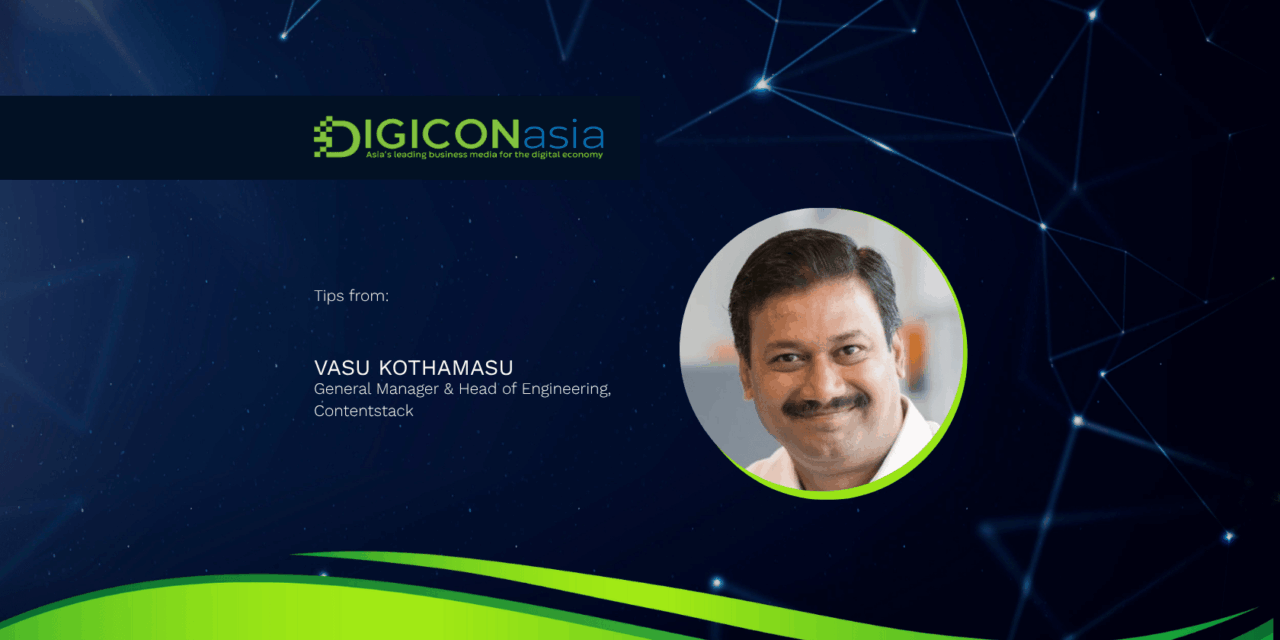
Vasu Kothamasu, General Manager & Head of Engineering, Contentstack, explained this shift: “Businesses are moving away from rigid, monolithic platforms toward modular, API-first architectures that enable seamless integration of essential tools like personalization engines and analytics stacks, while also avoiding vendor lock-in. The rise of MACH architecture (microservices-based, API-first, cloud-native SaaS, and headless) is further accelerating this shift, empowering brands to deliver dynamic, hyper-personalized experiences across web, mobile, IoT, and emerging interfaces.”
This evolution is particularly significant as the focus shifts from technological capabilities to business outcomes. The market is responding to key drivers that transcend purely technical concerns.
“Key drivers of this evolution include the growing need for real-time, data-driven personalization, the surge of AI-driven automation, and the constant pressure to innovate rapidly in an ever-evolving digital landscape. Today, composable architecture has become more than an IT strategy; it’s a business imperative,” Kothamasu added.
With the headless CMS software market expected to reach US$4.59 billion by 2033, these platforms are becoming central to digital transformation initiatives across industries, particularly in retail, e-commerce, healthcare, and media.
Overcoming implementation challenges
While the benefits of headless CMS are compelling, organizations often face significant hurdles during implementation. Understanding these challenges is crucial for successful adoption and maximizing return on investment.
Kothamasu identified the primary obstacles and their solutions: “When implementing a headless CMS architecture, organizations typically encounter three key challenges: a steep learning curve for teams accustomed to traditional platforms, the complexity of integrating multiple systems, and limited native content previews, as the CMS doesn’t manage the front end. However, these hurdles are far from insurmountable. Solutions include investing in developer enablement and MACH training, leveraging pre-built integrations and composable accelerators, and using visual editors and preview tools to close the authoring gap.”
Modern platforms have evolved significantly to address these implementation concerns, combining technical flexibility with user-friendly interfaces.
Platforms like Contentstack address these issues by combining enterprise-grade backend flexibility with intuitive content creation tools. “Once deployed, the advantages become clear – enhanced performance, stronger security, and seamless content delivery across channels from mobile apps to kiosks and voice interfaces. Ultimately, composable CMS solutions empower brands to move faster, deliver smarter experiences, and maintain the agility needed for long-term digital success,” noted Kothamasu.
This perspective aligns with industry trends, as 80% of businesses without headless architecture are planning to implement it within the next two years, indicating growing confidence in overcoming these implementation challenges.
Transforming roles
The shift to headless architecture doesn’t just change technology stacks; it fundamentally transforms how teams collaborate and execute their responsibilities. This reorganization of workflows affects everyone from content creators to developers.
According to Kothamasu:“Headless CMS architecture is reshaping the roles and responsibilities of content creators, marketers, and developers, fostering greater independence and collaboration across teams. Content creators can produce reusable, channel-agnostic content without relying on developers, accelerating content production. Marketers benefit from AI-driven insights and multichannel automation, enabling them to personalize campaigns at scale and make more data-driven decisions. Meanwhile, developers can focus on building high-performance, scalable experiences with the frameworks and tools of their choice.”
This redistribution of responsibilities leads to significant productivity gains and enhanced cross-functional collaboration.
“This approach promotes true cross-functional collaboration, eliminating bottlenecks and balancing speed with quality. In this model, the headless CMS transforms from a potential constraint into the backbone of innovation, empowering every team to work in parallel and deliver exceptional digital experiences,” Kothamasu emphasized.
With approximately 35% of businesses now using headless CMS solutions, these organizational changes are becoming increasingly common across industries as teams adapt to new working models centered around flexible content architecture.
AI and ML: the future of intelligent content management
Artificial intelligence (AI) and machine learning (ML) are rapidly becoming integral components of headless CMS platforms, moving beyond experimental features to core capabilities. This integration is creating new possibilities for content operations and experience delivery.
Kothamasu highlighted this transformative trend: “AI and ML are rapidly becoming core to the evolution of headless CMS platforms, moving beyond add-ons to foundational capabilities that drive smarter content operations.” AI-powered automation eliminates repetitive tasks, while ML enables dynamic personalization by analyzing user behavior in real-time. Advanced search and recommendation engines improve content discoverability, and AI-driven security enhances anomaly detection and compliance monitoring.
“Beyond operational efficiency, AI also shapes strategy: predictive models guide content planning. AI assistants speed up workflows, and governance continues to improve. As these technologies mature, headless CMS platforms evolve from static content repositories into intelligent digital experience engines,” Kothamasu added.
This integration of AI capabilities is a key factor driving the projected 22.6% CAGR in the headless CMS market through 2035, as organizations seek more intelligent and automated content management solutions.
Open-source and API-first
Kothamasu said: “Open-source technologies and API-first architectures are at the heart of the transformation shaping the future of the headless CMS industry. Open-source fosters transparency, community-driven innovation, and unparalleled extensibility – giving teams the freedom to customize solutions without being locked into proprietary systems. Meanwhile, API-first design guarantees interoperability, allowing businesses to seamlessly integrate best-in-class tools across analytics, commerce, personalization, and CI/CD pipelines.”
This architectural approach is particularly valuable in today’s rapidly evolving digital landscape, where adaptability is essential.
“Together, these approaches power composable architectures-where every service excels at its role, and the entire system remains agile and resilient to change. In a fast-evolving digital landscape, where new channels and shifting customer expectations are constant, composable systems enable rapid adaptation without the need to start from scratch. In this environment, headless CMSs act as the connective tissue, and brands can innovate freely while maintaining both speed and control,” noted Kothamasu.
The emphasis on composable architecture is reshaping the entire CMS market, which is projected to power 68.7% of websites by 2025, with API-first approaches becoming increasingly central to implementation strategies.
Delivering value beyond traditional channels
The flexibility of headless CMS enables applications far beyond conventional websites and mobile apps. As digital touchpoints multiply, these platforms are powering increasingly diverse and innovative experiences.
Some compelling use cases include:
- In the IoT space, they enable real-time content updates for digital signage, smart appliances, and connected vehicles
- For voice interfaces, structured content from the CMS drives engaging conversational experiences across virtual assistants, IVR systems, and smart speakers.
- In augmented reality, the CMS manages contextual metadata and localized content to enrich immersive experiences, such as retail try-ons, museum guides, or training simulations.
As companies face increasing pressure to deliver personalized, omnichannel experiences with greater speed and flexibility, the composable approach championed by platforms like Contentstack offers a compelling solution. By embracing API-first design, leveraging AI capabilities, and supporting innovative use cases beyond traditional channels, headless CMS platforms are enabling organizations to build more responsive, future-proof digital ecosystems.
Beyond its technical capabilities, headless CMS can truly reshape teams, breaking down silos between content creators and developers, and fundamentally changing how businesses engage with their audiences.
As digital experience continues to be a primary competitive differentiator, organizations that successfully implement headless CMS will be better positioned to adapt to emerging channels, meet evolving customer expectations, and drive sustained growth in an increasingly digital world