



Enterprises can avert vendor‑driven deadlines by mapping platforms, modeling costs, and diversifying support models beyond any single SaaS vendor.
Enterprise software vendors have long wielded significant leverage over their customers, using product‑lifecycle deadlines, licensing models, and ecosystem lock‑in to push upgrades and migrations. In some cases, this pressure has become so intense that customers look not just at when to migrate, but at how to reduce dependency on any single vendor.
As enterprise customers approach the end of mainstream support, or face aggressive roadmap enforcement, the risk of vendor‑driven lock‑in becomes more visible.
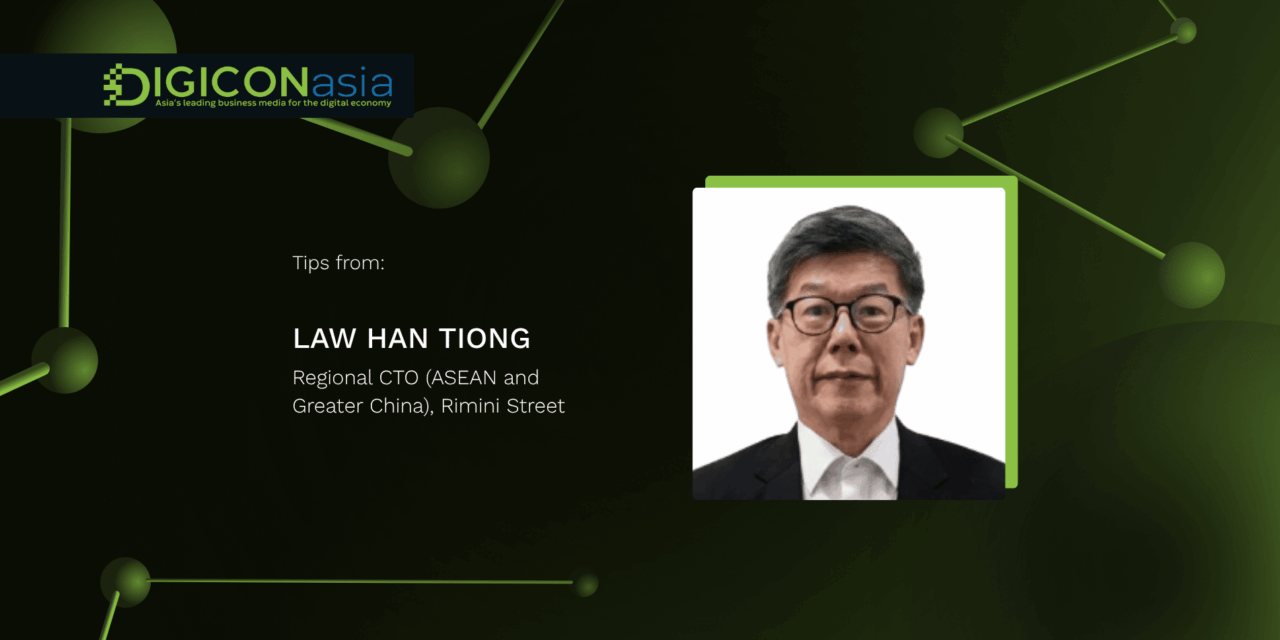
According to Law Han Tiong, Regional CTO (ASEAN and Greater China), Rimini Street, a third‑party support provider for SAP customers, “vendor‑imposed timelines tend to serve the best interest of the vendor and shareholder, not licensees.” In the same vein, he has noted that “established clients are in favor of long‑term support for their organization, giving them the freedom to plan and modernize their IT when it makes sense, not when they are told to.”
These comments, originally framed in a vendor‑specific context, capture a broader concern shared across ERP, CRM, and SaaS buyers. Firms in this category are discovering that staying on aging platforms can be technically viable but commercially risky, while forced migrations can be costly and disruptive. Some are beginning to explore alternative support models, managed‑service arrangements, and multi‑vendor strategies that keep the leverage more balanced. The goal is not to avoid modernization, but to ensure that decisions are driven by business strategy, not by vendor‑announced deadlines.
Why vendor lock‑in matters now
Many legacy ERP and CRM systems are approaching the end of mainstream maintenance, creating a “migration or die” narrative pushed by vendors.
At the same time, customers worry about being locked into proprietary clouds, data models, and integration ecosystems that can inflate switching costs and reduce negotiating power.
The result is a classic tension: stay on older systems and accept higher technical risk, or migrate and give up control over the timing, scope, and cost of the program.
Averting lock‑in and lifecycle pressure
To avoid being trapped in a single‑vendor trajectory, organizations can take the following steps, contributed by Law and other publicly available sources:
- Map your multi‑vendor footprint
Document all mission‑critical platforms (ERP, CRM, databases, analytics, and AI layers), including version, license type, and remaining mainstream‑maintenance window. Understand how tightly coupled they are to each vendor’s ecosystem. - Model the real cost of migration versus extension
For each major system, compare the total cost of a full migration (licensing, consulting, data migration, training, and change management) against the cost of extending life via vendor‑offered extensions, partner‑delivered managed services, or third‑party support. Do not assume migration is always cheaper in the long run. - Negotiate options, not just deadlines
Treat product‑end‑of‑life dates as a starting point for negotiation, not an inevitability. Ask vendors and partners about:- Extended‑maintenance or custom‑support agreements
- Phased‑migration paths and interim hybrid models
- Tools and services that let you stay on current versions while modernizing around the edges
- Diversify your support ecosystem
Evaluate SAP‑authorized partners, managed‑service providers, and independent third‑party support firms for core legacy systems. Treat these as complementary options, not as one‑size‑fits‑all solutions. Also, ensure that any alternative support model clearly defines scope, security, and compliance responsibilities. - Design for interoperability and escape routes
Avoid architectures that funnel all data and workflows through a single vendor’s proprietary APIs or cloud stack. Standardize data models, APIs, and integration layers so that modules can be replaced or migrated piece by piece. Also, treat data portability and vendor‑agnostic tooling as non‑negotiable parts of the architecture. - Align with board‑level priorities, not vendor roadmaps
Tie ERP and CRM modernization decisions to business outcomes such as regional expansion, AI‑enabled automation, and digital‑service agility. Make sure the vendor roadmap justifies the business case, not the other way around. Use the “vendor‑driven deadline” as a lever to negotiate better terms, not as a blank check for unplanned spending. - Build and retain internal competency
Maintain an internal core team that understands the vendor’s platform, licensing, and negotiation levers. Combine this with external partners and providers so that knowledge is not concentrated in a single vendor or consulting firm. Rotate vendor‑management leadership to avoid long‑term dependency on any one vendor‑centric narrative. - Plan for graceful partial exits
Treat the idea of “staying on the platform forever” as a strategic risk. Plan for modular exits: replacing CRM, analytics, or specific modules while keeping the ERP core, or vice versa. Test data‑export and workload‑migration paths periodically, so that an exit is not just theoretical. - Vetting third‑party support vendor pitches
Enterprises considering third‑party platform or support vendors should treat aggressive, vendor‑disruptive pitches as a signal to tighten — not relax — legal, intellectual property, and vendor‑risk scrutiny.- Do not equate “low‑cost, vendor‑opposing” positioning with low‑risk; instead, scrutinize how the vendor interacts with the original platform’s IP and support channels, ensuring that access, updates, and repackaging conform with clear licensing and audit‑trail discipline so your organization does not become a secondary target in IP‑based litigation.
- Be highly skeptical of hyperbolic claims about “guaranteed savings”, “no‑risk”, or dramatic denigration of the incumbent vendor, and build your own independent cost, risk, and compliance models rather than relying on the newcomer’s narrative.
- Recognize that third‑party relationships can create complex fourth‑party and nth‑party risk, especially when the vendor deeply depends on the original platform’s infrastructure, and map how those dependencies affect your audit, compliance, and incident‑response frameworks.
- Finally, institutionalize such decisions within a formal vendor‑risk‑management program, treating third‑party support or platform‑management vendors as high‑risk suppliers that require documented assurances on IP compliance, data governance, and incident handling, not just SLAs on uptime or cost reduction.
For SAP‑specific customers, Law has emphasized a few concrete, pragmatic strategies: affected organizations should treat their SAP on‑premises environments as long‑term assets that can be extended and optimized, rather than binary “migrate or abandon” systems.
In practice, this means:
- locking in firm support commitments — whether through vendor‑extended maintenance, SAP‑authorized partners, or third‑party support — so that the business can control the pace of change
- using that extended window to progressively modernize around the core (automation, analytics, AI‑driven workflows) without a costly big‑bang migration; and actively planning how to decommission SAP modules selectively over time, while keeping data and integration layers open and standardized.
“Decide on your SAP roadmap as a business‑strategy choice, not a vendor‑imposed migration deadline,” Law reiterated.