



Coordination will be difficult, and verification will be harder than traditional arms control, say leaders of a major AI innovation firm.
Research into advancing artificial Intelligence may soon reach a point where it can improve itself with little human involvement, and the intensifying rivalry between the US and China to win at AI frontier development adds to major risks that could be tempered by a global slow-down of the AI investment bubble.
That is the official statement of Anthropic’s head of research Marina Favaro and president Jack Clark, who argue that a temporary pause or slowdown at the frontier could give governments, researchers, and safety teams more time to build the safeguards needed to manage rapidly advancing models.
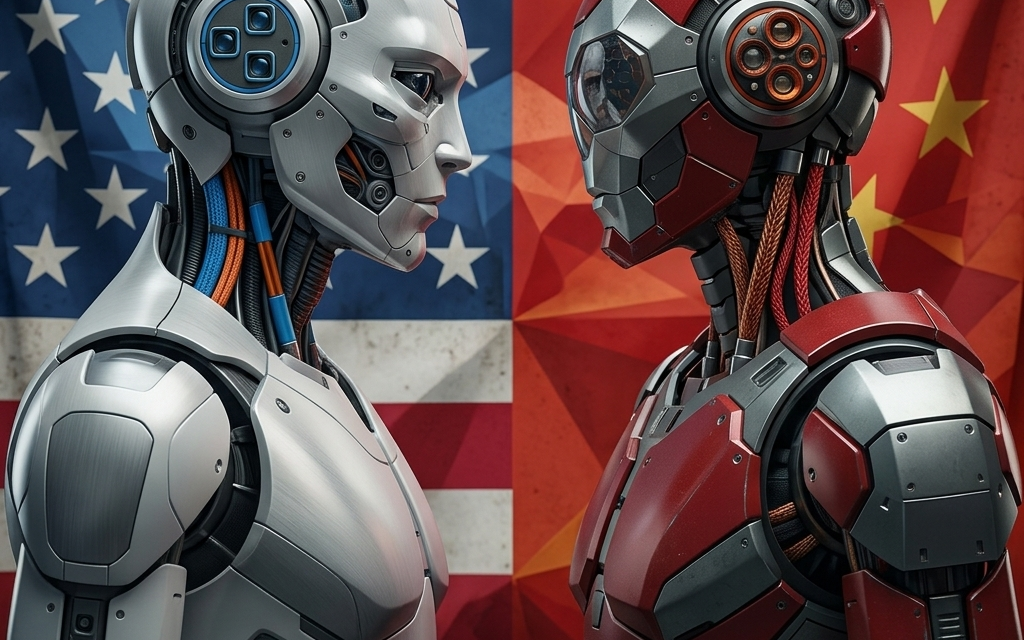
In its statement, the firm’s leaders framed the issue as a kind of arms control challenge, saying any meaningful pause would require multiple major labs in different countries to act together under common rules. The statement acknowledged that such coordination would be extremely difficult in a competitive global market. Also, even well-intentioned restraint in the US-China rivalry could break down if one side feared falling behind.
Noting that training cutting-edge AI systems is much easier to conceal than large-scale military infrastructure, the leaders also reiterated that enforcement of any slowdown in AI development will be harder to verify than in traditional arms control efforts.
A matter of timing
As the firm recently filed confidential paperwork for a potential public listing, the latest statement has raised questions about whether the its leaders’ strong safety rhetoric is purely principled or also strategically useful in a crowded industry where trust and regulation can shape competitive advantage.
Its CEO Dario Amodei had separately warned that AI could still go badly wrong, while some analysts say that the firm’s public stance may help push for rules that slower-moving competitors will struggle to match. In fact, Anthropic has reportedly held back some of its most advanced models from public release because of concerns that they could be misused for severe cyber threats. At the same time, critics have pointed out that the firm has softened or changed earlier commitments, including a past pledge to stop development if safety could not keep pace with capability gains.
Ultimately, the firm’s industry call may just be a call for governments and corporations to prepare a way to slow the pace if and when the risks taken by less safety-focused stakeholders become too severe to ignore.