



AI data-center demand drives costs higher, creating cascading manufacturing costs that may persist through 2030, according to multiple sources
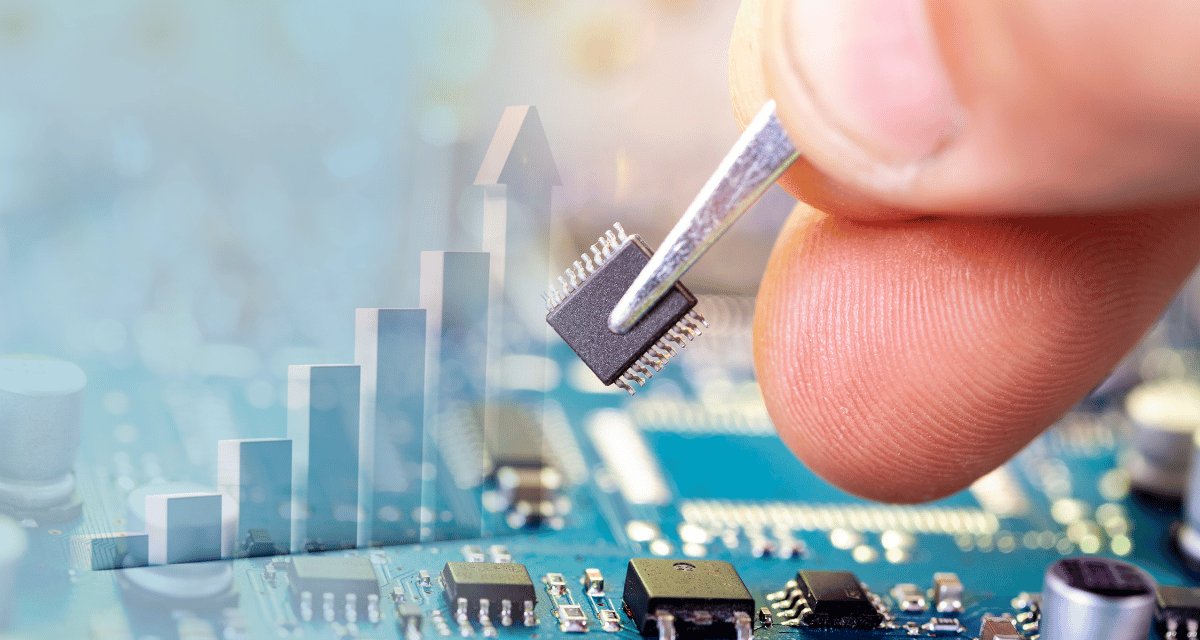
A worldwide shortage of memory chips, intensified by relentless demand from AI data centers, is raising the cost of electronics almost worldwide.
Consumers are feeling the impact in products ranging from inexpensive smartphones in India to premium iPhones in South Korea and entry-level computer systems in South Africa.
For example, Vivo Mobile (India) has increased prices across its budget T-series smartphones by as much as ₹5,000, with the new prices taking effect 23 Aug, 2026, attributing the changes to higher input costs caused by the global memory-component shortage. Also:
- Apple’s forthcoming new iPhone 18 Pro is expected to begin at more than 2m won, or roughly US$1,440, in South Korea when it is introduced next month. That would put its entry price more than 400,000 won above the starting price of its predecessor. Ex-CEO Tim Cook has characterized the sharp rise in memory costs as “a once-in-a-hundred-year flood.”
- In South Africa, MyBroadband has reported that the price of a 16GB DDR4 memory kit had increased 229% over that of the previous year.
- JP Morgan Global Research projects that DRAM prices will have risen by more than 400% between the beginning of 2024 and the end of 2026.
- Counterpoint Research has reported that global smartphone shipments declined 11% year-over-year in the second quarter of 2026, the lowest second-quarter result since 2013.
- Bloomberg has reported a projected 12.9% contraction for the full year.
- Deloitte has warned that constrained supply and elevated prices could continue through 2029 or even 2030 because new manufacturing capacity requires years to build and scale.
With memory expected to represent more than 40% of smartphone component costs in early 2027, consumers may be entering an era in which affordable memory is no longer the norm — a trend the industry has labeled “chipflation”.