



As regional enterprises pursue data readiness, digital foundations, upskilling and Zero Trust automation, hurdles to digitalization need addressing.
AI is projected to boost South-east Asia’s Gross Domestic Product by 10–18% by 2030, making it crucial for organizations to leverage its accelerating impact.
Yet, according to some reports, not every enterprise in the region is ready or equipped to take advantage of the opportunity.
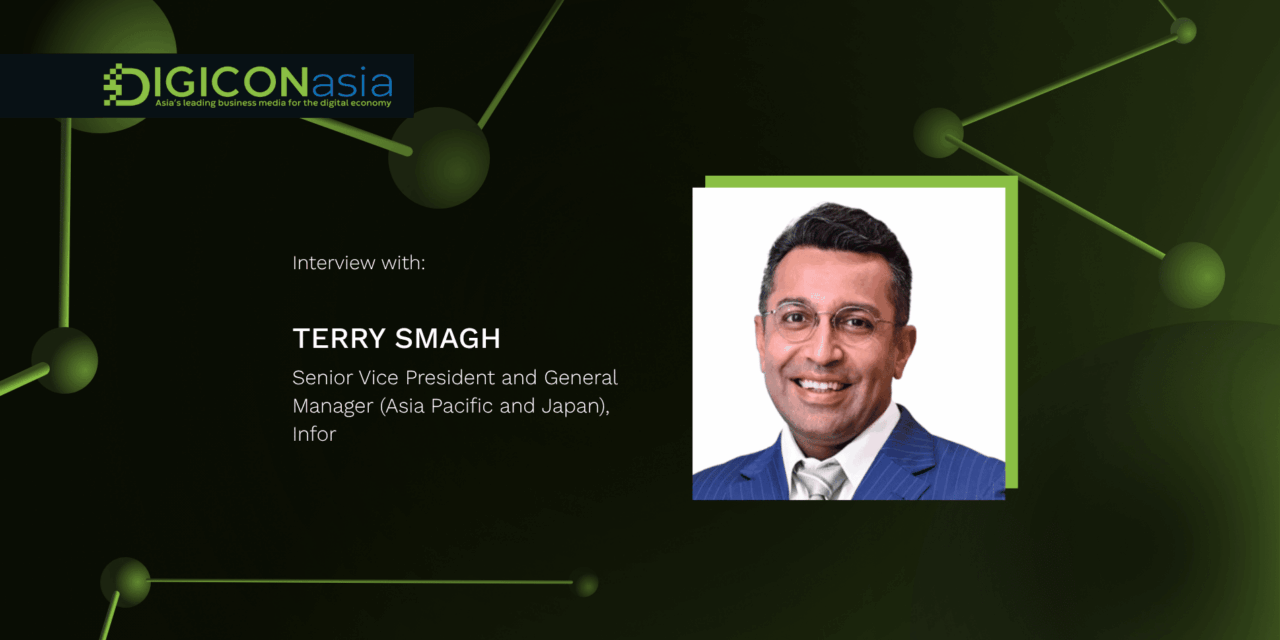
Terry Smagh, Senior Vice President and General Manager (Asia Pacific and Japan), Infor shares with DigiconAsia.net how enterprises can overcome technological hurdles and prepare for an AI-driven future.

Terry Smagh, Senior Vice President and General Manager (Asia Pacific and Japan), Infor.
DigiconAsia: How much is AI truly reshaping manufacturing, and how much of it is merely hype?
Terry Smagh (TS): The buzz around AI in manufacturing is more than hype. We are seeing pilot projects evolve into operational standards, with edge AI transforming processes across sectors from logistics to healthcare. This shift is driving cost reductions and operational efficiencies throughout regional supply chains.
For manufacturers, the challenge is no longer about whether to adopt AI, but how to scale it effectively and integrate it into core operations.
DigiconAsia: What are the main barriers preventing manufacturers in South-east Asia from maximizing AI’s potential?
TS: Many firms recognize AI’s potential but underestimate the importance of data readiness. Without proper integration and data architecture, valuable insights remain trapped in silos.
Cost remains a factor, especially for small and medium enterprises, but the mindset is shifting toward long-term returns rather than short-term expenses.
DigiconAsia: The rise of AI has also sparked concerns about workforce readiness. How will human roles evolve in this new environment?
TS: We are moving towards a model where humans and machines complement each other.
In manufacturing, AI and automation will handle repetitive tasks, freeing people to focus on innovation, design, and problem-solving. The idea is not “man versus machine” but “man with machine.”
This evolution demands continuous upskilling, as future competitiveness depends on data literacy, creativity, and the ability to collaborate with intelligent systems. A World Economic Forum report forecasts 39% of core worker skills will change by 2030, accelerating the need for reskilling in manufacturing.
DigiconAsia: With digital transformation accelerating, how can ASEAN manufacturers strengthen security and resilience in an AI-driven ecosystem?
TS: As operations become more connected, security must evolve in tandem.
Implementing Zero Trust frameworks helps organizations manage cyber risks by continuously validating user access and monitoring anomalies in real time.
AI-enabled threat intelligence will play a crucial role in identifying complex attacks before they cause disruption. Protecting data, intellectual property, and operational continuity will be just as critical as achieving efficiency gains in the years ahead.
DigiconAsia would like to thank Terry Smagh for sharing his valuable opinions with readers.