



Global DEI has been reshaped by Trump’s clampdown, technology, and human morals — making it a revealing case study.
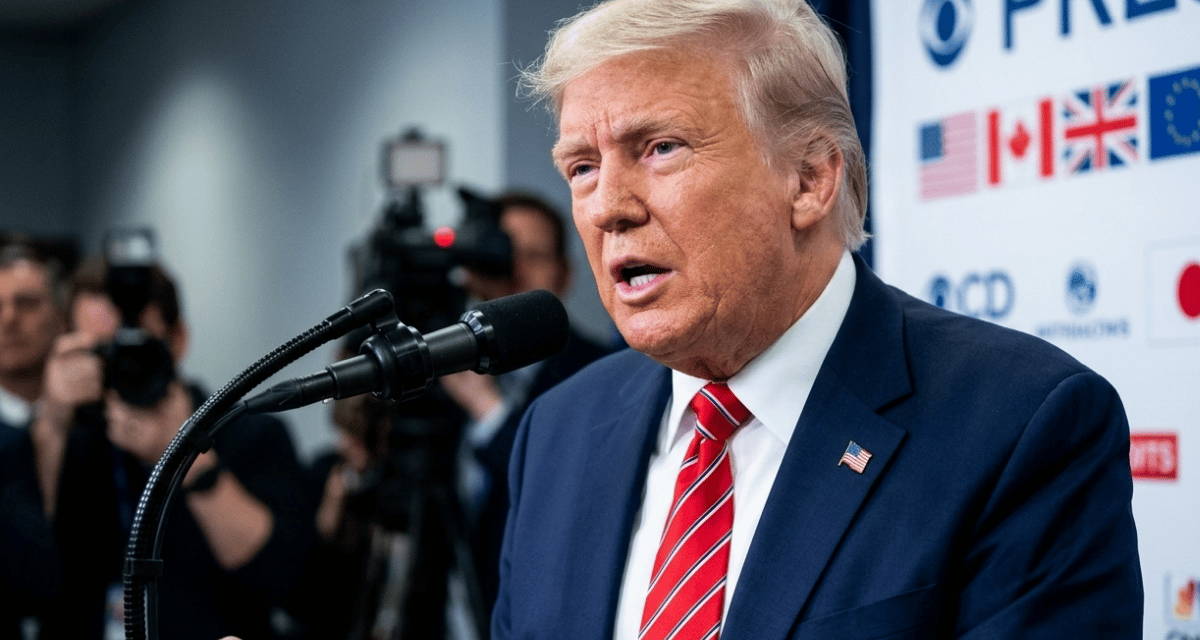
In 2026 — 16 months after Donald Trump’s clampdown on the Diversity, Equity and Inclusion (DEI) movement in America — the global DEI landscape in 2026 is being shaped less by a single collapse than by a political recalibration.
President Trump’s unilateral rollback of federal DEI programs has intensified pressure on US employers, contractors, and universities, but the reaction abroad has been more varied: some institutions have retreated, others have rebranded, and many have kept inclusion work alive under different names.
Critics argue that the American debate only makes sense because DEI was partly hijacked in the first place. Public commentary from corporate governance and diversity specialists says the acronym became a catch-all for mandates, training regimes, and political signaling that were easy for opponents to portray as ideological overreach. On this reading, the clampdown is not simply a rejection of fairness efforts, but a backlash to the way some factions stretched DEI beyond its original purpose.
On the other hand, supporters of Trump’s approach frame it differently. They say the policy corrects discriminatory practices hidden inside “equity” language, and restores a merit-based standard to hiring, promotion, procurement, and admissions. The Trump administration and the Equal Employment Opportunity Commission (EEOC) leadership have argued that race- or sex-based programs can violate civil-rights law even when they are labeled as inclusion efforts. From that perspective, the American crackdown is a legal reset, not an ideological purge.
Undone by American politicization
Opponents call the US policy clampdown an extreme federal intervention that goes well beyond legitimate anti-discrimination enforcement. Reuters reported in 2026 that the EEOC is pursuing investigations into corporate diversity efforts and that firms now face subpoenas, contract risk, and broader litigation exposure if their programs are deemed race-conscious.
Critics say that threat has produced a chilling effect, pushing firms to go quieter rather than better, and encouraging symbolic compliance over meaningful workplace reform.
On the world stage, that tension is visible. Outside the USA, many employers are not abandoning diversity work altogether; instead, they are separating the underlying goals from the acronym itself. A number of analysts argue this is evidence that the policy problem was not diversity as such, but the American politicization of it. Others contend that the US crackdown may nevertheless influence global boardrooms because American legal and reputational risk often sets the tone for multinational behavior.
Parts of DEI still linger
The strongest case for the US-policy ripple effects is that it may reduce box-checking, ideological excess, and legal ambiguity, especially in publicly funded institutions. The strongest case against it is that it discourages genuine inclusion efforts, weakens accountability, and imports a uniquely polarized US culture war into workplaces that were using DEI more pragmatically.
In practice, the result in 2026 looks less like abolition than mutation: DEI survives in many places, but often under euphemisms, compliance caution, and political fear.
At the international level, that may be the real story. The larger world has not universally rejected DEI; it has mostly watched the United States turn a management framework into a partisan battleground.
Learning points about human morality
The DEI saga, as it continues to unfold, is a case study of how technological drivers reshape moral and organizational projects:
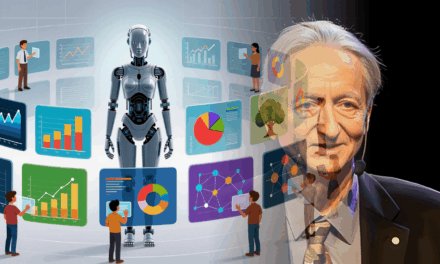
- Data‑driven metrics, HR analytics platforms, and digital surveillance tools turned inclusion into a quantified, auditable, and highly visible performance arena, which amplified both its promise and its pathologies.
- Technology magnified the reach of DEI programs — enabling large‑scale tracking of representation, sentiment‑analysis of workplace culture, and algorithmic “bias‑mitigation” tools — while also making performativity, gaming the metrics, and branding easier to engineer and harder to hide.
In that sense, examining DEI through a technological lens shows how code, dashboards, and digital platforms do not merely support values‑driven work but actively reconfigure incentives, visibility, and power — turning human vanity, political polarization, and corporate ambition into measurable, scalable, and, ultimately, reversible social experiments.
Going forward, will generative AI and systems trained on invisible biases/polarizations/performativity change the saga’s trajectory further? Only time will tell.