



The targeted system uses neutral-atom physical qubits forming 256 logical qubits with quantum error correction achieving one-million logical operations.
In their efforts to advance practical quantum computing capabilities, two firms have entered into a multi-year collaboration to build a fault-tolerant quantum computer (FTQC), with deployment targeted for 2028.
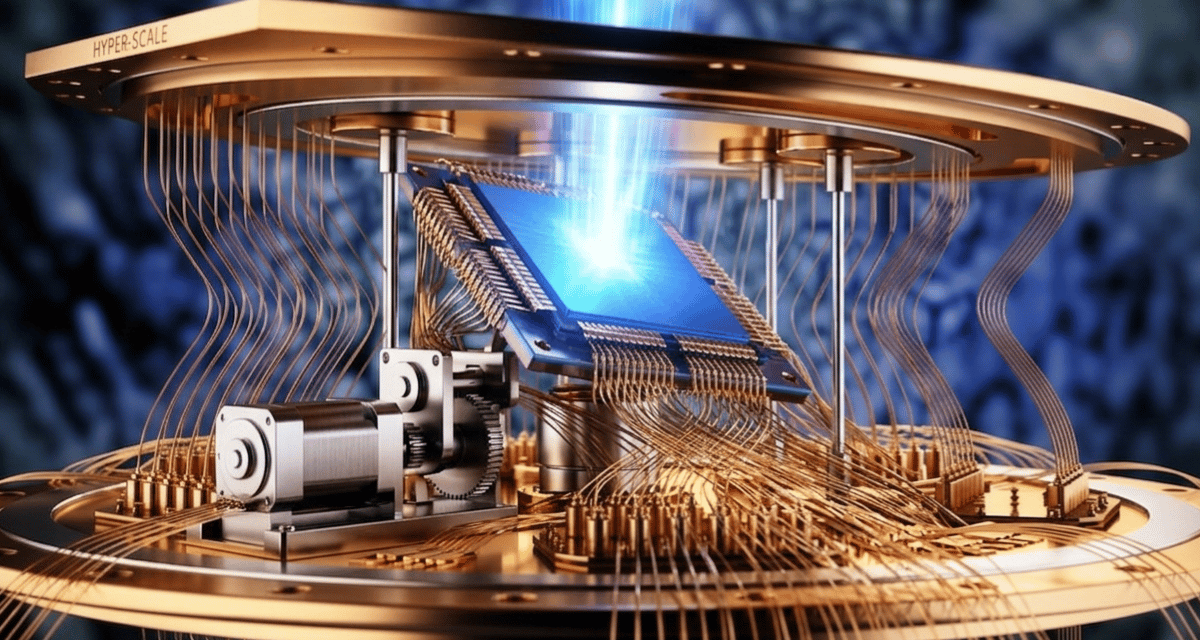
The target is to design a large-scale system built on neutral-atom technology, using between 10,000 and 15,000 physical qubits arranged into roughly 256 logical qubits. By incorporating quantum error correction, the system is expected to achieve a logical error rate of approximately one in a million operations.
One of the firms involved, QuEra, describes this as reaching “megaquop” performance, meaning the machine could execute around one million reliable logical operations before errors significantly affect outcomes. If realized, this level of reliability would represent a major step beyond today’s noisy intermediate-scale quantum (NISQ) devices, which remain limited by high error rates and short coherence times.
The aim of attaining fault tolerant quantum computing is to support advanced use cases such as molecular modeling, materials science, and simulations in high-energy physics — applications that are currently impractical for both classical supercomputers and existing quantum hardware.
Despite the ambition, FTQC at this scale has not yet been demonstrated in practice. Industry observers continue to view timelines in this space cautiously, given the technical hurdles involved in scaling qubits while maintaining stability and error correction. By entering into a collaboration with AWS’s classical computing infrastructure, including high-performance computing and machine learning services, QuEra could explore hybrid workflows that combine quantum processing with conventional compute resources, which many researchers see as essential for near-term practical applications.
The partnership comes amid intensifying competition across the quantum computing sector. Different hardware approaches — including superconducting qubits, trapped ions, and emerging designs such as cat qubits — are all vying to achieve fault tolerance. Whether a fully fault-tolerant system can be delivered within the stated timeframe remains uncertain, but the announcement underscores the growing momentum — and skepticism — surrounding the race to build commercially useful quantum computers.