



Applying the Digital Markets Act rules to connected TV operating systems and virtual assistants can address gaps in market fairness.
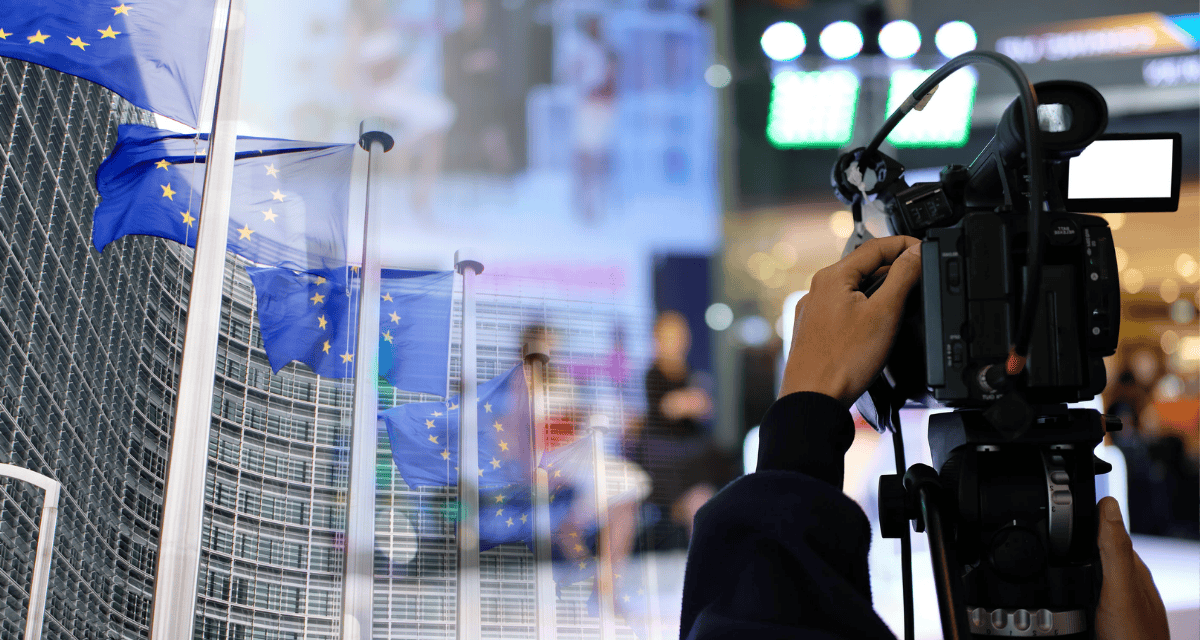
European broadcasters are pressing EU regulators to tighten oversight of Big Tech’s control over smart TV platforms and virtual assistants, warning that a handful of technology firms now act as powerful gatekeepers between audiences and media services.
On 23 Mar 2026, in a joint letter to EU, antitrust chief Teresa Ribera, associations representing commercial and public service broadcasters urged the European Commission to bring connected TV operating systems and virtual assistant platforms within the scope of the bloc’s Digital Markets Act, or DMA. They argued that operating systems powering smart TVs and streaming devices from large global manufacturers increasingly determine which apps and content viewers can easily find, how services are displayed, and on what terms media firms can reach their own audiences.
The DMA, in force since 2023, imposes extra obligations on so‑called gatekeeper platforms that meet EU thresholds for users and market size, restricting practices such as self‑preferencing and abusive tying in order to keep digital markets open to rivals. Broadcasters say connected TV systems now resemble other core platforms already designated as gatekeepers, but remain outside the current list despite their growing role in how people access television and video‑on‑demand services.
Fighting for fair media competition
The groups describe a market where a small number of smart TV and streaming operating systems have amassed significant bargaining power over media firms, citing practices such as prominent placement of the platform owner’s own apps, restrictions on data access, and conditions that can make it harder for independent services to compete. They warned that without regulatory intervention, platform operators could increasingly steer viewers toward their preferred content and subscription offers, while broadcasters shoulder higher costs or diminished visibility on screens they do not control.
Alongside smart TV systems, the letter also calls for virtual assistants to be covered by the DMA, pointing to products that mediate access to news and entertainment through voice commands or recommendations. Broadcasters argue that these assistants already act as gatekeepers when they decide which apps or services to open in response to user requests, but currently fall into a regulatory gap.
The signatories are urging the Commission to use the DMA’s qualitative criteria where necessary, allowing officials to classify platforms as gatekeepers even if they fall short of formal numerical thresholds for users or market capitalization. They also pressed for a market investigation into connected TV and virtual assistant ecosystems if existing data does not yet justify immediate designation, arguing that early action is essential to protect media plurality and fair competition as viewing continues to migrate to internet‑connected devices.