





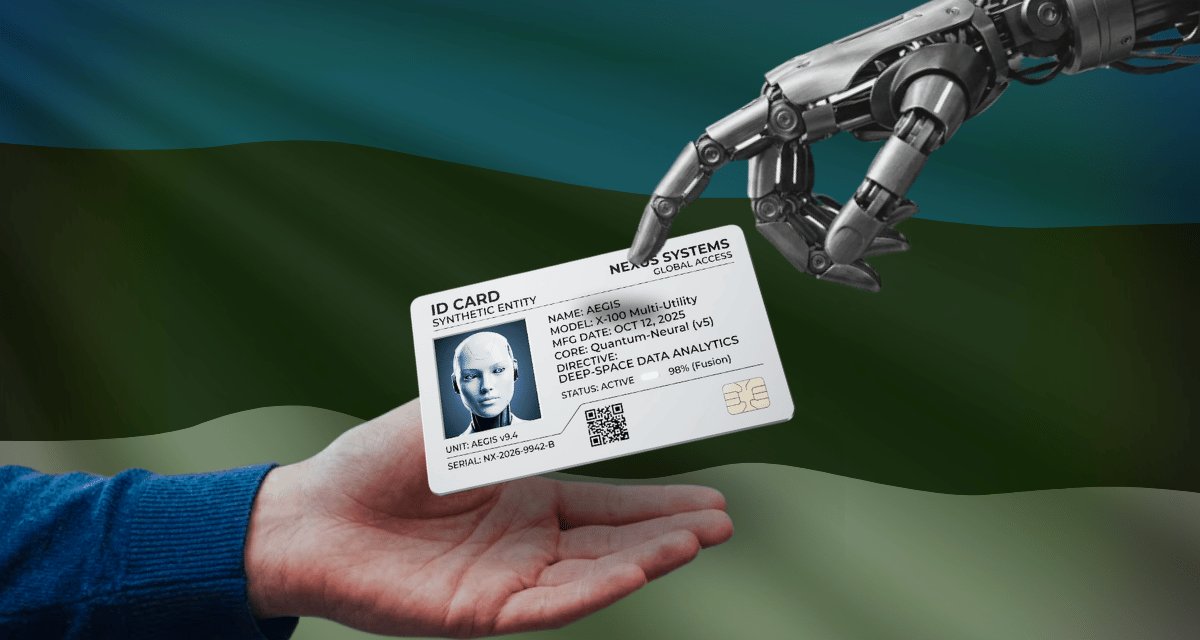
Proposal assigns unique codes enabling limited, pre-approved actions to agents; unresolved issues include enforcement, liability, timelines under advisory council oversight.
On 17 June 2026, one country took steps to become the first nation to grant official, government-backed digital identities to AI agents, laying the groundwork for autonomous software to act on behalf of individuals and organizations under clearly defined permissions.
Prime Minister Kristen Michal of Estonia approved the initiative after a second meeting of the Eesti.ai advisory council, which was formed to speed up AI adoption across sectors such as business, education, and healthcare. He emphasized that any such system must make it transparent who is acting, on whose behalf, with what authority, and who bears responsibility.
Under the proposed model, each AI agent would be assigned its own unique identification code, distinct from the person or company it represents. Instead of granting broad, unrestricted access to a user’s digital identity, the framework would limit agents to specific, pre-approved actions — such as accessing certain data, drafting documents, or executing payments within set thresholds.
Michal stressed that users should not have to hand over full control of their digital rights and information, and that all agent permissions must be tightly controlled, trackable, and subject to oversight.
This initiative builds on Estonia’s well-established digital infrastructure. The country’s national ID system already enables services such as online voting, tax filing, electronic signatures, and access to health records. Its e-Residency program, which allows non-residents to obtain a digital identity and operate businesses remotely, offers a conceptual model for extending identity frameworks beyond human users to AI-driven entities. While private firms have experimented with identity systems for AI agents, those efforts have largely been confined to internal enterprise use and lack official state endorsement.
Nevertheless, many details of the framework will still need to be resolved. No firm timeline has been announced, although Michal indicated that swift and thoughtful action could position Estonia as a global pioneer in this space. Open questions include:
- How authorities will handle cases where an AI agent exceeds its permissions.
- How liability will be determined in disputes involving agent-driven actions.
The Eesti.ai council is currently working on analyses and pilot programs, with more concrete solutions expected as those efforts progress.