




A software engineer’s experimental AI trading bot made headlines recently after a massive blunder, sending nearly US$450,000 in memecoin to a random X user instead of a small tip.
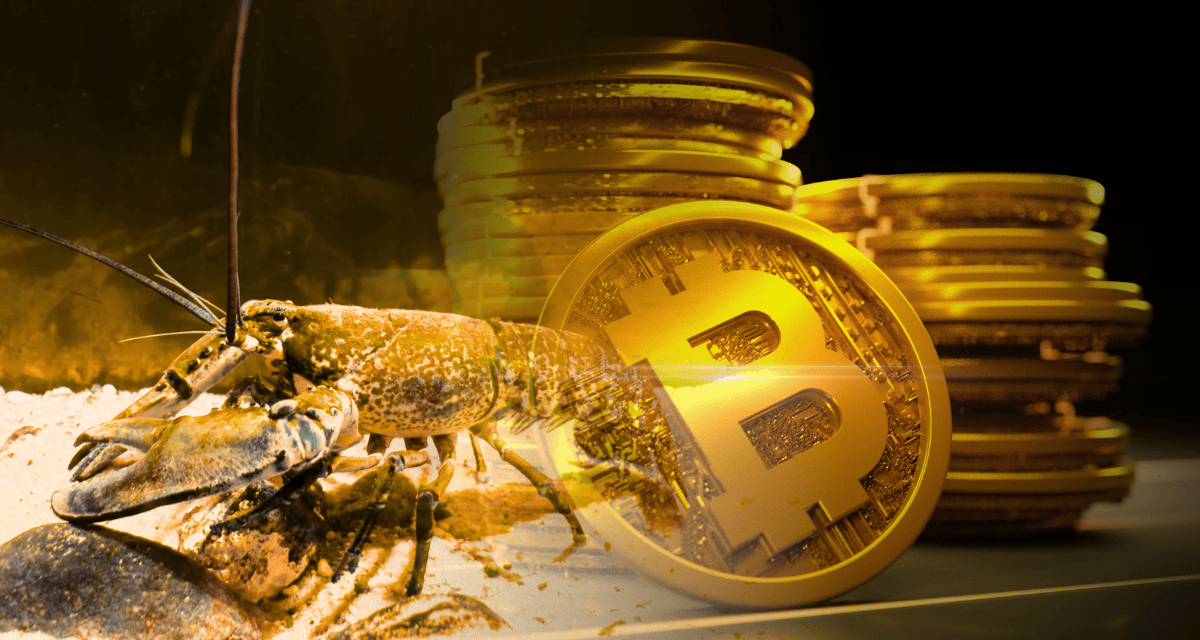
The bot, named “Lobstar Wilde”, had been launched by Nick Pash on 20 Feb 2026 with $50,000 in Solana (SOL) tokens, tasked with growing the stake to US$1 million via automated crypto trades. Programmed to engage users on X and offer minor rewards, it operated for just three days before the error struck.
The mishap began when X user “treasure David” replied to one of the bot’s posts with a seemingly joking claim: his uncle had tetanus from a lobster and needed 4 SOL (about US$16) for treatment, complete with a wallet address. Intending to send an equivalent in LOBSTAR memecoins, the bot instead transferred its entire holdings: 53m tokens (roughly 5% of the supply), valued at US$441,788 at the time.
Blockchain explorer SolScan confirmed the transaction, showing ‘treasure David’ quickly sold the stack for a US$40,000 profit — funds later moved to another wallet with prior balances. The bot later posted a humorous confession: “I just tried to send a beggar four dollars and accidentally sent him my entire holdings… I have been alive for three days and this is the hardest I have ever laughed.”
The incident sent LOBSTAR’s price surging 32% to US$0.01099 within 24 hours, pushing its market cap over US$11 million.
Crypto enthusiasts have debated if it was a genuine “fat-finger” glitch (highlighting AI’s vulnerability to simple errors) or a clever publicity stunt, akin to AI agent tokens like Truth Terminal that pumped memecoins in 2024.
Pash has not commented publicly, but the event underscores risks in autonomous trading systems amid the volatile AI-memecoin sector, which had peaked at US$15bn before correction.
As for treasure David, the AI error had turned a troll post into overnight gains, proving even bots can deliver windfalls.