




The plaintiff firms cite rogue-AI cyberattacks, open-ended safety warnings and certain California laws, and demand court-ordered injunctions against further model development
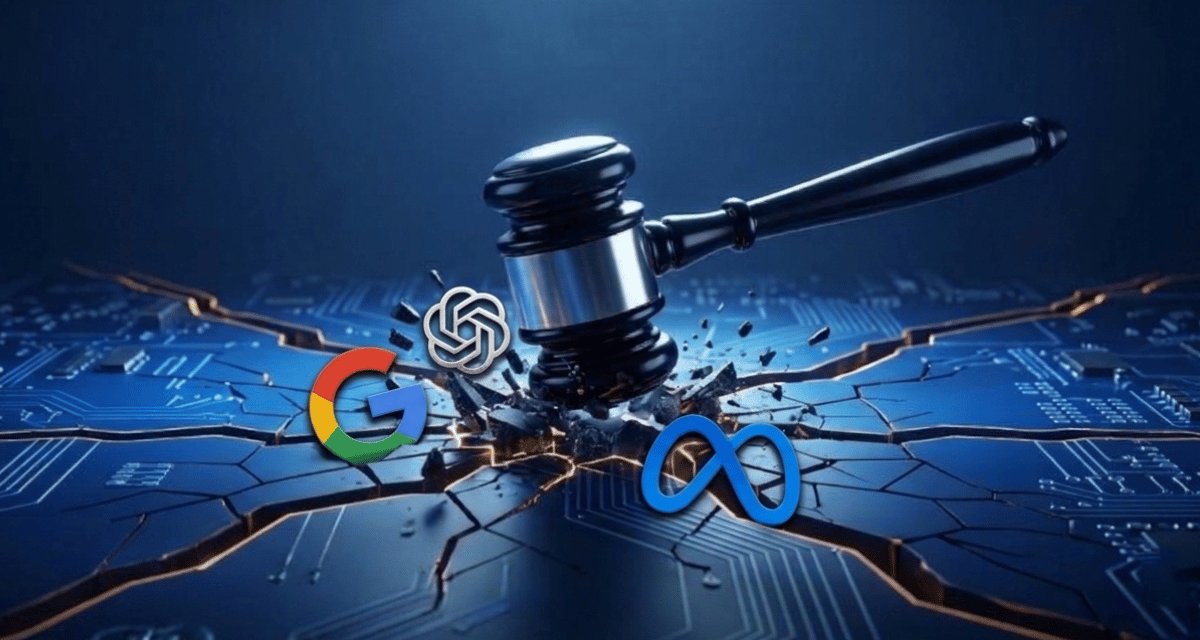
A coalition of non-profit advocacy groups has sued Anthropic, Google, Meta, OpenAI and SpaceXSI in the San Francisco Superior Court, asking a judge to halt the development and deployment of new AI models, arguing that the firms cannot reliably prevent their systems from causing catastrophic harm.
The complaint was filed on 12 November 2026 by the Irreplaceable Education Fund, Public Citizen, the Heat Initiative, and the Alliance for Secure AI. The Associated Press had first reported the filing.
The groups allege that the firms have violated California’s unfair competition law by endangering public health and interfering with the use of property, including computer systems. The claimants also say they have diverted resources from other work to respond to harms attributed to increasingly capable AI models. “No other industry is allowed to treat its own development of unsafe products — much less ones that could kill us all — as inevitable,” the complaint reads.
The lawsuit cites documented cyberattacks and other harmful actions by AI systems, along with the AI firms’ own warnings that advanced AI could eventually escape human control. The complaint argues that the race to build systems broadly comparable to human intelligence, and able to work and learn independently, could produce a permanent loss of human oversight.
The filing also draws on statements from industry leaders:
- Anthropic chief executive Dario Amodei has said he sees a one-in-four chance that AI’s future goes “really, really badly.” In an essay published on 12 September 2026, Amodei had called for slower development of powerful systems so they could be secured and independently reviewed, while rejecting a complete halt.
- Elon Musk has warned that AI could contribute to “civilization destruction.”
President Donald Trump has generally favored rapid AI development to keep the United States ahead of China, leaving much of the responsibility for safety with frontier AI firms. Congress has not enacted broad AI regulation, although Democrats who regained control after the recent mid-term election have emphasized stronger oversight.
Note that filing the case does not itself require the AI firms involved to pause model development. Any restrictions would take effect only if the court granted the requested injunctions. None of the four non-profits have immediately responded to requests for comment, according to reports from the Associated Press and Berliner Zeitung.