




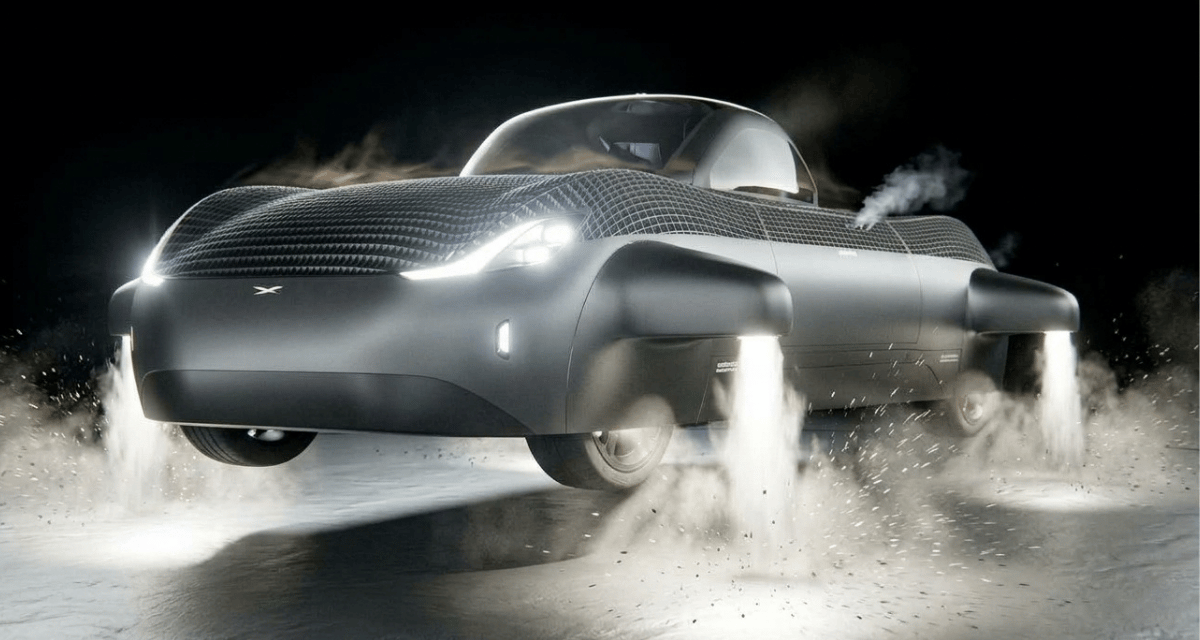
The dual-mode vehicle can ride the roads and also take off vertically, using distributed electric propulsion
While electric road vehicles are ramping up in efficiency and intelligent connectivity, Alef Aeronautics (Alef) is positioning itself as the pioneer of the flying car, releasing a video on 15 October 2026 showing its electric flying car in flight.
According to a Gizmodo report, the California startup’s demonstration was its 1,000th logged flight. Alef CEO Jim Dukhovny said that the flying vehicle relies on distributed electric propulsion rather than rocket-style thrusters. On the road, the car is electric and all-wheel drive, and the firm says the lighter design can accommodate a full-vehicle ballistic parachute.
The central claim is that the vehicle can operate both as a car and as a vertical-takeoff-and-landing aircraft, using electric propulsion to reduce the complexity and noise associated with conventional helicopters or jets. Its distributed-propulsion approach spreads thrust across multiple motors rather than relying on a single large rotor or jet engine.
The firm has received more than 3,600 pre-orders valued at US$1bn, and it expects to deliver an initial batch to a limited group of early buyers by the end of 2026, according to the Gizmodo report. Production will be increased in 2027, and the firm’s first flying car is expected to start at US$299,999, according to TechFundingNews.
According to Dukhovny, competition would benefit the emerging category by validating the market, establishing a distinct flying-car category, creating an industry for lobbying regulations, attracting investor attention, enabling technology comparisons, and providing a benchmark for measuring progress.
Still, Alef faces substantial regulatory and engineering hurdles before its vehicle can become a mainstream product. Full FAA type certification can take years, and the company must demonstrate that its aircraft meets aviation safety, reliability, and operational requirements, according to Interesting Engineering.
For now, the firm’s milestone is its accumulated flight testing, and its plan to begin limited customer deliveries by the end of 2026.