


Major electronic memory-chip producers have been forthcoming in their warnings of a protracted drought and price surge across electronic products
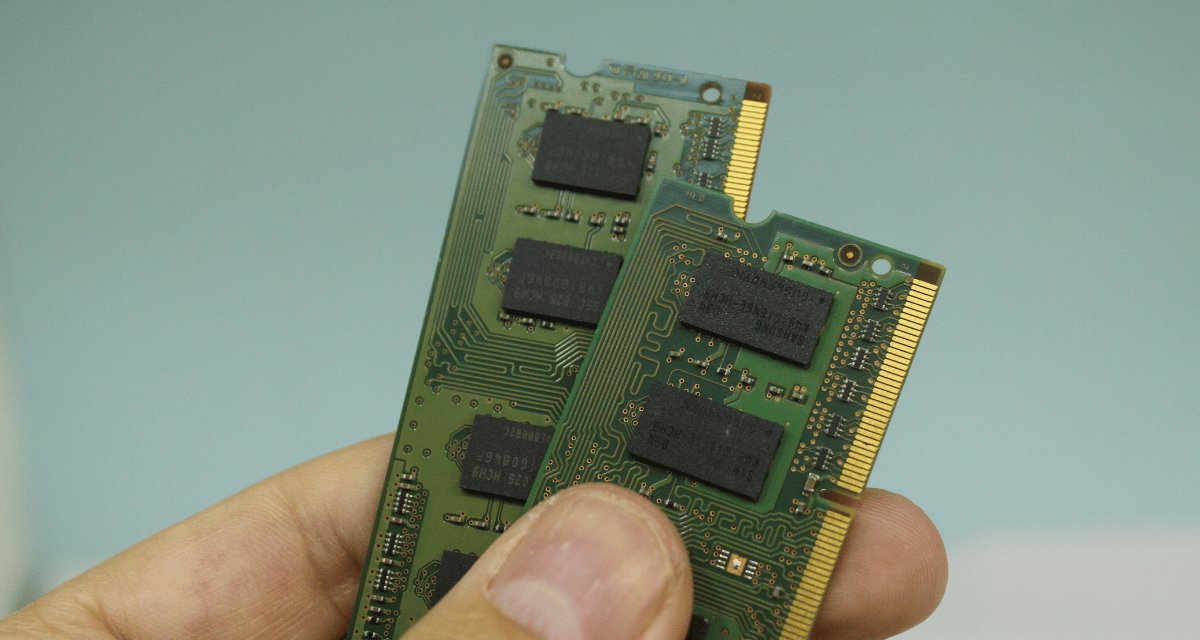
A major manufacturer of electronic memory chips has on 28 July 2026 cautioned that the worldwide shortage of memory chips (dubbed RAMageddon) driven by AI demand will extend for several years. This is supposedly due to manufacturers struggling to scale production quickly enough to satisfy exploding requirements.
During an interview with CNBC-TV18, Samsung’s top executive for South-west Asia, JB Park, explained that AI adoption is pushing computing power needs far beyond available memory supply: “I believe this situation will persist through the second half of the year, and although the industry is increasing production, it will take a couple of years before supply becomes adequate. Until that point, I expect the memory crisis to continue,” he stated.
Park had also told evo India that Samsung has taken on significant memory component cost increases over the previous eight months instead of transferring those expenses to customers, characterizing the financial burden as “humongous”. These comments arrive as Samsung announced preliminary second-quarter operating profit of 89.4 trillion won (US$58.4bn), a record figure propelled primarily by skyrocketing memory chip prices, according to Reuters, which noted that analysts anticipate the memory market will stay undersupplied at minimum through the coming year.
At a separate event, Park had described Samsung’s developing approach to AI monetization, explaining that it employs a “hybrid style of AI” that merges on-device processing with cloud-based partner services, and that professional users pursuing advanced capabilities will need to pay subscription fees.
In July 2026, South Korea had revealed plans for Samsung and SK Hynix to commit roughly US$516bn towards four new memory fabrication facilities, although most projects will not begin supplying chips until 2027 at the soonest, according to a Reuters report.
Meanwhile, Deutsche Bank forecasts that DRAM will remain in tight supply beyond 2028; Micron, the third-largest memory manufacturer, confronts comparable limitations as producers redirect capacity toward high-bandwidth memory for AI data centers, reducing conventional DRAM availability.