





Investigators are now examining data logs, system responses, and external conditions to determine the precise sequence of events.
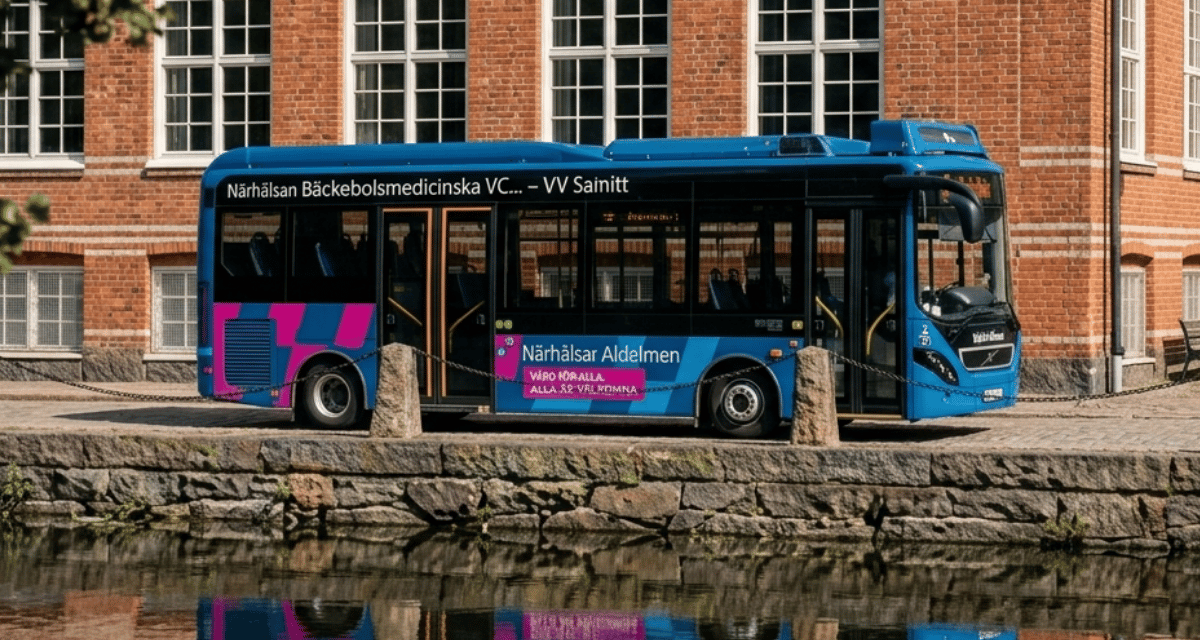
In Gothenburg, Sweden this week (25 May 2026, UTC+2), the rollout of a Level 4 self-driving electric bus took an unexpected turn when the vehicle was involved in a collision shortly after beginning passenger service.
The bus, developed by Turkish manufacturer Karsan, was operating along its route when it braked and was subsequently struck from behind by a tram, as reported by Reuters. A spokesperson for the regional transit authority, Västtrafik, has stated that, while the impact caused concern, there were no reported casualties or physical harm. The vehicle has since been withdrawn from service as officials assess the situation.
According to official statements, at the time of the collision, a trained safety operator had been present onboard, as required during early deployments of autonomous systems. This individual was tasked with intervening if necessary, although it remains unclear whether any manual action had been taken before the impact. No official statements from the tram operator involved in the incident have been made public yet.
Investigators are now examining data logs, system responses, and external conditions to determine the precise sequence of events. The incident underscores the importance of human oversight during transitional phases of automation involving such self-driving vehicles.
Mismatch of road user expectations?
The autonomous bus is part of a broader pilot program designed to evaluate the viability of driverless public transport in an urban European setting.
The route, stretching roughly four kilometers between Gothenburg Central Station and Liseberg Station, includes multiple stops and operates in mixed traffic conditions. The project involves collaboration between public transit operator Västtrafik, bus company Vy Buss, and autonomous driving technology firm Adastec.
Prior to its Gothenburg deployment, the same model had been tested in harsher winter conditions in Sälen, where it had successfully navigated snow-covered roads during a limited commercial service period.
Now, this early setback highlights a broader challenge facing autonomous mobility systems: safely integrating with traditional transport infrastructure and human-operated vehicles. Autonomous systems may follow stricter safety protocols, such as braking more conservatively, which can create mismatches in expectations with other road users.
As cities continue to experiment with self-driving transit solutions, incidents like this provide developers with real-world data on system behavior, risk management, and the complexities of shared urban environments.