





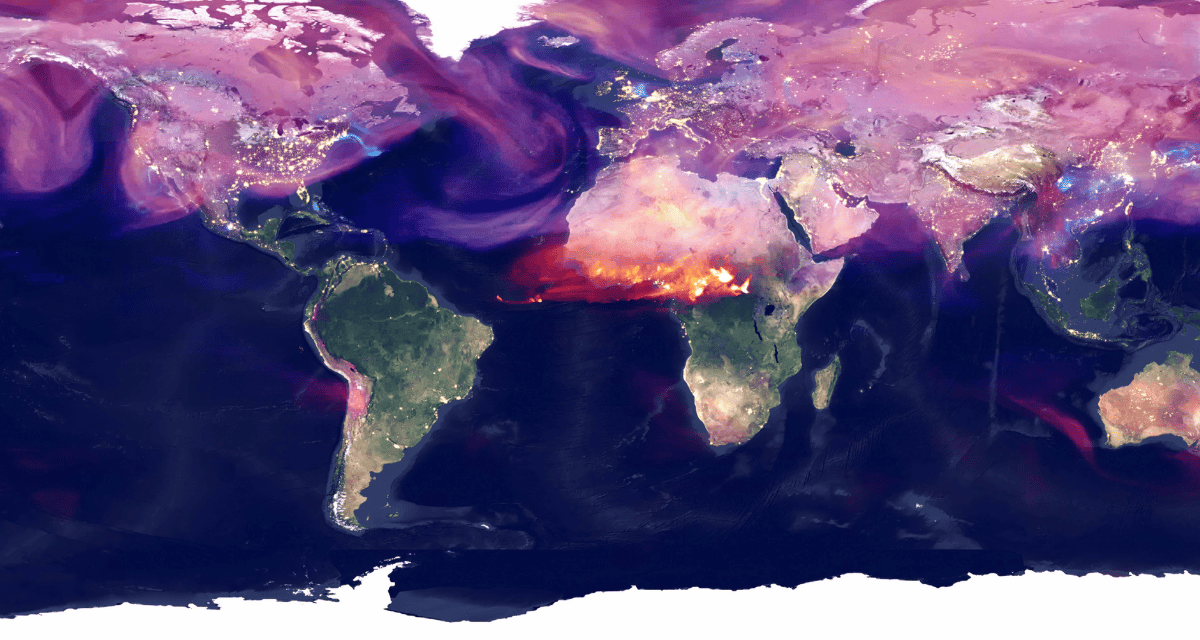
Carbon dioxide, methane, and nitrous oxide reached unprecedented atmospheric levels, with warming effects expected to persist for centuries
According to the World Meteorological Organization’s (WMO) 22nd Greenhouse Gas Bulletin, atmospheric concentrations of carbon dioxide, methane, and nitrous oxide all reached unprecedented levels in 2025. The bulletin precedes COP31, the UN climate summit in Antalya, Türkiye, scheduled for November 9–20, where negotiators aim to convert climate pledges into practical action.
Notably, the UN weather agency has said that the buildup of these long-lived, heat-trapping gases will drive warming impacts that persist for centuries, according to a CBS News report.
Statistically, carbon dioxide levels averaged 426.8 parts per million (ppm) globally last year, while methane reached 1,948 parts per billion, and nitrous oxide 339.1 parts per billion. Compared with pre-industrial levels before 1750, those figures represent 153%, 267%, and 126% of earlier concentrations.
Additional analyses unveiled
WMO Deputy Secretary-General Ko Barrett reported that the gases are trapping exceptional amounts of heat, intensifying extreme weather and putting economies and communities at risk. She noted that the 11 years through 2025 were the warmest on record, and that carbon dioxide will influence the climate for decades or longer. Furthermore:
- The annual increase in carbon dioxide had slowed to 2.8ppm between 2024 and 2025, below the record 3.6ppm surge of the prior year. Even so, it had exceeded the average annual rise of 2.6ppm over the past decade.
- This growth in levels has roughly tripled since the 1960s, when concentrations had increased by an average of 0.8 ppm each year.
- When the bulletin began in 2004, carbon dioxide stood at 377.5ppm.
- WMO senior scientific officer Oksana Tarasova has attributed the slower rise to recovering land carbon sinks and fewer fire-related emissions after the strong 2023–2024 El Niño. She described the increase as a substantial addition of atmospheric carbon from fossil fuels, and warned that concentrations are likely to climb again in 2026 as a powerful new El Niño develops.
- Two gases are being flagged as concerns for the global energy transition.
- Sulfur hexafluoride, used to suppress electrical arcing in power networks, recorded its largest annual increase in 2025, and has a warming potential roughly 24,300 times that of carbon dioxide.
- Hydrogen is not itself a greenhouse gas, but it can indirectly warm the climate by slowing methane’s breakdown.
The WMO has cautioned that leaks of either gas could erode some of the emissions reductions the transition is intended to achieve.
The report measures accumulated atmospheric concentrations rather than yearly emissions. About half of the carbon dioxide emitted annually remains airborne, while land ecosystems and oceans absorb the remainder.