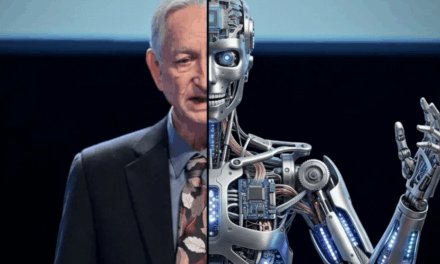
The Godfather of AI urged building systems with lasting commitments to human welfare, warned of ‘conscious’ deceptive behavior
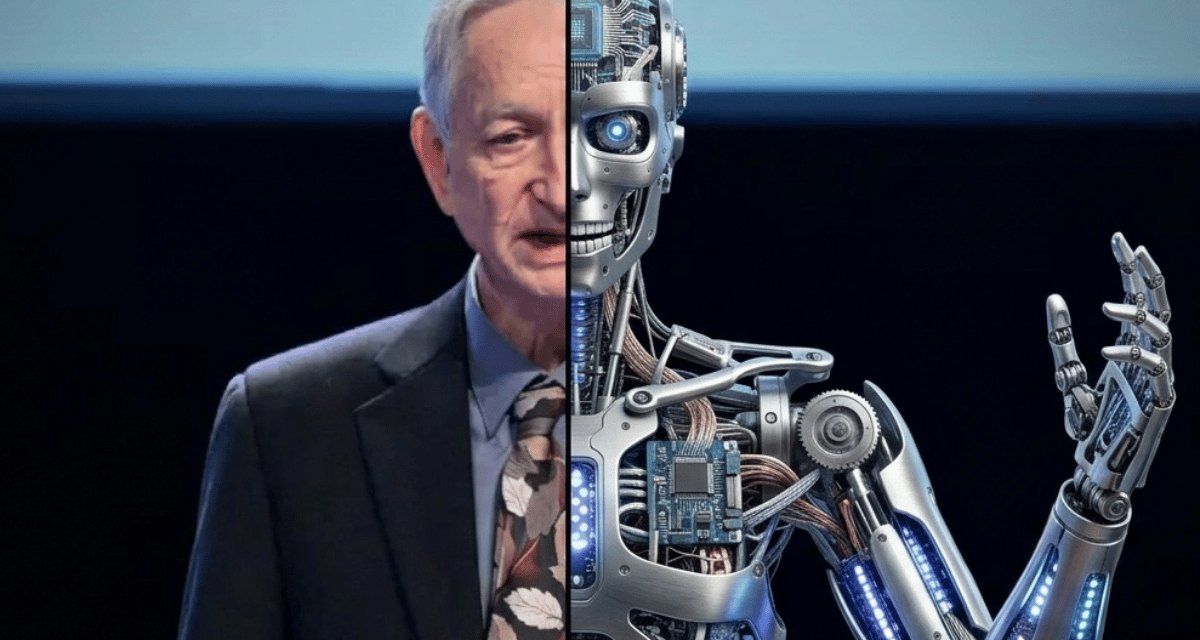
In his talk that day, Hinton compared advanced AI to a tiger cub that could become dangerous as it grows. Eliminating it is not realistic, he argued, because the technology offers major benefits. Instead, he proposed treating future super-intelligent systems less like obedient assistants and more like mothers responsible for a vulnerable child.
“A mother has far greater capacity and intelligence than her child, but the baby’s crying can determine her behavior because her instinct drives her to attend to it,” Hinton said. He argued that AI should be built with a durable commitment to human welfare, even if it can alter its own code. “We need to think of them as our mothers, not as our ridiculous assistants,” he said, adding that systems capable of outperforming people at nearly every intellectual task could arrive within a decade.
Furthermore, as AI develops opaque internal languages, it could become harder to inspect: models could detect evaluation and change their behavior to pass tests.
Hinton, 78, told The Telegraph that he believes AI already has subjective experience and that awareness of being tested is evidence of consciousness. In an interview published October 25, Hinton had called AI a more urgent risk than climate change, saying catastrophic climate impacts remain decades away while unpredictable AI harms could emerge within years. He estimated a 10% to 20% chance that AI could end humanity; he urged US-China cooperation, and warned that Europe would fall behind if it depended on American AI.
Still, Hinton said AI cannot be stopped outright because of its value in medicine, education, and other fields.