


Shared infrastructure supports autonomous driving research, enabling simulation, training, validation, cross-site replication, plus capacity expansion within existing facilities
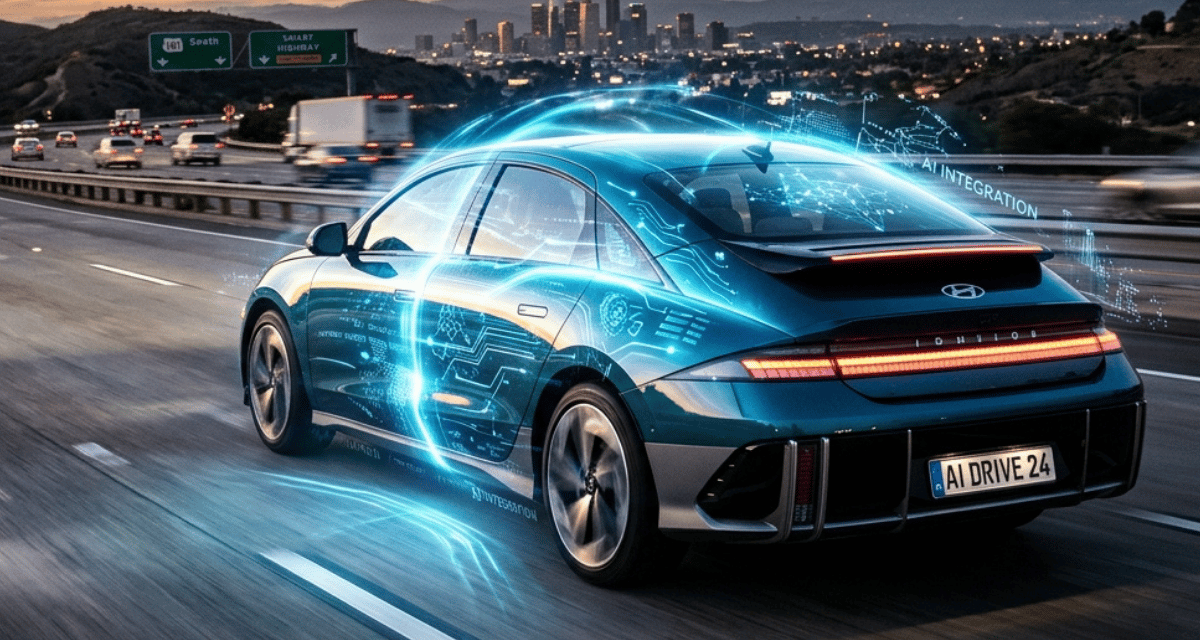
In addressing fragmented datasets and duplicated work across their AI programs, automakers Hyundai Motor Company and Kia have consolidated advanced driver assistance systems (ADAS) and large language model development onto a shared data platform.
The deployment, described in an announcement on 15 October 2026, supports production ADAS research and autonomous driving workloads at 42dot, the companies’ autonomous mobility division and global software center.
The announcement accompanied an investment in the platform’s supplier, following years of operational use. Previously, the two firms ran their ADAS and language model programs on separate platforms from different vendors. As both programs expanded, this arrangement had fragmented data and duplicated effort. Their development environment also needed to accommodate simulation, training and validation workflows while expanding capacity within existing data center space and power constraints.
The consolidated environment uses these technical approaches:
- Consolidation: A GPU-based computing environment brings ADAS and language model development onto one data platform, replacing the previous separation between the programs.
- Shared data access: Object and file access protocols, including S3 and NFS, allow simulation, training and validation pipelines to use the same namespace without creating separate data copies.
- Data reduction: The announcement reports a 2:1 reduction ratio on actual sensor and video data, alongside space and power efficiencies that allowed capacity expansion within existing facilities.
- Cross-site replication: AI datasets are replicated across data center sites to support the distributed development environment.
- Independent scaling: A disaggregated architecture separates processing from storage capacity so each can scale independently.
Hokeun Chung, Executive Vice President of the companies’ Future Strategy Division, said: “Our work in autonomous driving and robotics depends on being able to use the data our vehicles generate quickly and reliably, and as data volumes grow it requires infrastructure that can keep pace.”
Renen Hallak, founder and CEO, VAST Data, the tech vendor in this project, said: “The companies building physical AI such as vehicles, robots and machines, are running into the same data problem enterprises hit years ago, and at a much larger scale.