





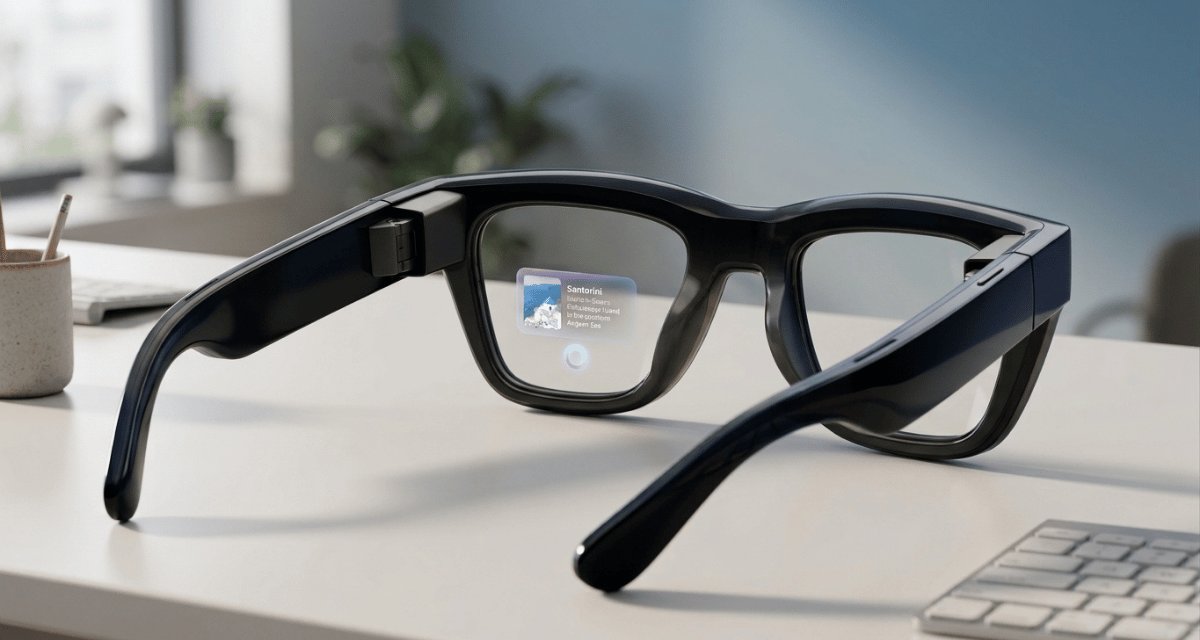
Government agencies, cinemas, and rights groups restrict inconspicuous recording eyewear across the US, UK, Germany and certain businesses
Smart glasses with built-in cameras are confronting a widening wave of restrictions from government agencies, entertainment venues, and digital rights advocates, as concerns mount over their ability to record video and audio inconspicuously.
Smart glasses with built-in cameras are confronting a widening wave of restrictions from government agencies, entertainment venues, and digital rights advocates, as concerns mount over their ability to record video and audio inconspicuously.
In the United States, Immigration and Customs Enforcement formally prohibited all employees from wearing smart glasses from Meta in federal workspaces through an August 2026 memo, stating that the glasses “could unintentionally capture, record or transmit sensitive information, potentially compromising privacy and legal protections,” and classifying them as personally owned body-worn cameras already barred under Department of Homeland Security policy.
The restriction follows months of controversy after reports surfaced of federal agents wearing the glasses with the recording indicator visibly lit during immigration operations, including a December 2025 incident in Charlotte, North Carolina.
Protests from cinemas and rights groups
Across the Atlantic, cinema operators in the UK have begun introducing policies to prohibit or restrict camera-enabled smart glasses, citing privacy and film piracy risks. The UK Cinema Association said many venues have already adopted such rules, while pub chains have indicated they will not allow recording with the glasses inside their premises.
In Las Vegas, organizers of the DEF CON 2026 hacker conference have imposed a strict ban on “Meta-style glasses with recording capabilities,” specifying there would be “no exception for recording glasses with prescription lenses” and urging attendees to use recognizable devices such as smartphones and obtain permission before photographing others, according to The Register.
In Germany, legal pressure has intensified, where digital rights group HateAid has filed a criminal complaint against Meta, EssilorLuxottica, and four German optical retail chains. The rights group argues the glasses violate Germany’s Telecommunications, Digital Services, and Data Protection Act, which bans the sale of communication devices designed to record people without their knowledge, according to a Reuters report.
Despite specific brands being targeted, regulatory and venue backlash is structured in a way that will constrain all manufacturers selling camera‑equipped smart glasses that look like ordinary eyewear.
Mitigative actions from manufacturers
In response, Meta has responded with limited technical adjustments and public statements. In July 2026, the firm had updated the smart glasses to disable the camera if tampering with the privacy LED is detected, and a newly surfaced patent describes a “hardware privacy mute circuit” that would let users physically switch off sensors — a feature some characterize as a potential “kill switch”.
Multiple reports indicate Apple is targeting a late‑2026 unveiling and a 2027 market launch for its first camera‑equipped eyewear, codenamed N50, positioning it as a display‑free, AI‑focused accessory rather than an augmented‑reality headset. Some industry analysts now expect an announcement at WWDC in June 2027, with sales later that year, although Apple has not confirmed any date as yet.
With France, Germany, and the Netherlands considering outright bans on such devices as “disguised cameras”, regulatory scrutiny shows no sign of easing.