



New systems add automation, analytics, cybersecurity and upgraded surveillance to support one million annual aircraft movements by 2030
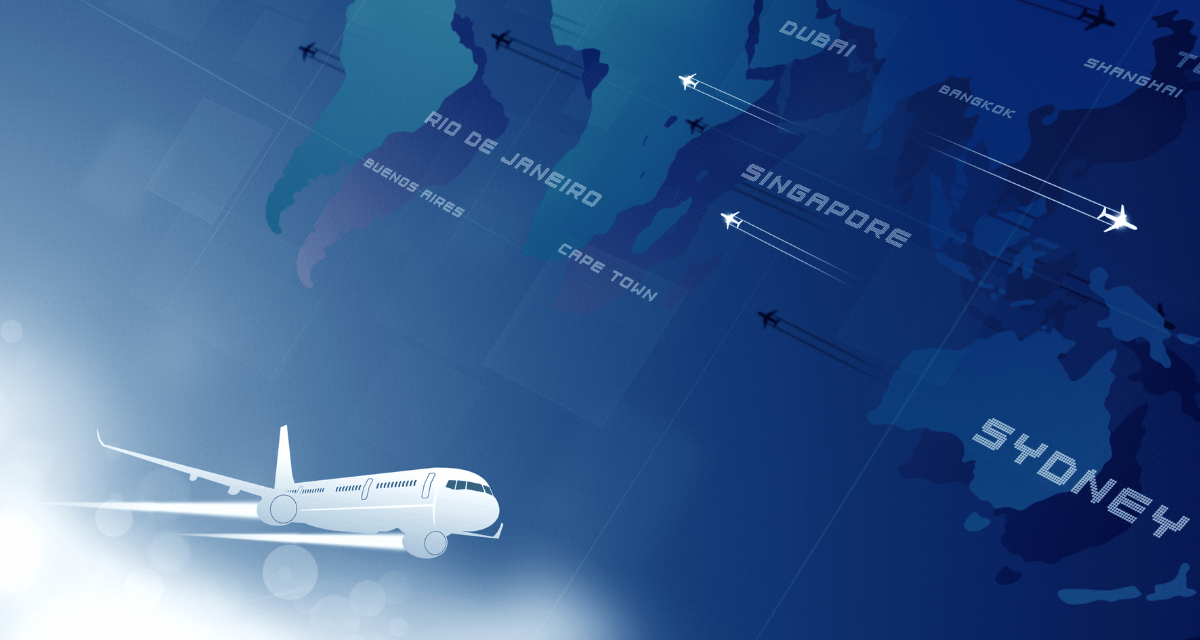
The Civil Aviation Authority of Singapore (CAAS) is managing regional traffic flows that are expected to grow significantly in the coming years.
The current core challenge has been scaling traffic management capacity while maintaining safety and operational resilience. Existing systems face increasing pressure from higher traffic density, more complex flight paths, and the need to coordinate with regional stakeholders under stricter cybersecurity and safety regulations.
At the same time, air traffic controllers must process growing volumes of surveillance and flight data in real time without increasing cognitive load or introducing new failure points. To address these issues, CAAS is deploying a next-generation air traffic management system (ATMS), upgraded radar infrastructure and surveillance stack designed around automation, data-driven decision support, and regulatory-compliant security controls, to support handling up to one million aircraft movements annually by around 2030. The upgrades, as announced on 29 July 2026, include:
- AI-enabled decision support to help controllers manage arrivals, departures, and en-route traffic with real-time sequencing and conflict detection
- An integrated human–machine interface that consolidates operational data into a single environment with streamlined workflows
- Cybersecurity controls aligned with standards from the International Civil Aviation Organization and national Singapore requirements
- Open, modular architecture to allow future upgrades and integration of third‑party aviation technologies
- New radar and non-radar surveillance systems providing continuous aircraft detection, including in adverse weather, integrated into the ATMS for improved situational awareness.
According to CAAS, the continual digital transformation will ensure that Singapore’s air traffic operations evolve with rising regional demand, and this program is a key step in building an operational environment that supports safe, efficient flight management over the long term.
Said Pascale Sourisse, Senior Executive Vice-President, International Development, Thales, the firm supplying the specialized technology: “Through this collaboration, … future-ready solutions will be deployed to help manage air traffic safely and efficiently for years to come.”