


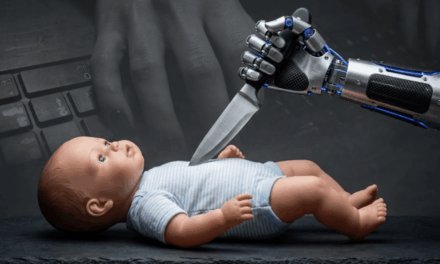



Executives have been increasingly framing workforce cuts as strategic modernization, while skeptics question whether AI strategies are the real rationale.
Big tech and enterprise CEOs are increasingly invoking AI strategies when explaining layoffs. The trend appears to be as much about corporate messaging as it is about real productivity gains.
Recent comments from leaders in firms such as Block suggest a smaller workforce can now do more with AI tools, yet critics say that framing can also soften the optics of cost-cutting. The firm told shareholders its workforce would be cut by nearly half, and the change was not just about efficiency, but about building and operating differently with intelligence tools.
Similar arguments are now surfacing more often across the tech sector, where executives are presenting AI as a reason to flatten teams, accelerate operations, and rework how corporations are structured.
Not everyone buys the explanation: One tech investor said AI can make a better public narrative than admitting that layoffs are driven by shareholder pressure or simple expense reduction. In other words, blaming AI can make a painful decision sound like strategic modernization rather than a pure headcount cut.
Still, some consultants say the shift is not entirely cosmetic. One noted that leaders are starting to see clear productivity gains from AI tools, enough to support the same amount of work with fewer employees. That suggests the line between genuine automation and opportunistic “AI washing” is getting blurrier.
The broader labor picture is more complicated than the headlines suggest. Yahoo Finance had reported in January that US employers explicitly attributed 55,000 layoffs to AI in 2025, a small share of the 1.17 million total cuts recorded that year. That gap has fueled skepticism that many firms are using AI as a convenient justification for decisions already driven by slowing growth, restructuring, or pressure to protect profits.
OpenAI chief Sam Altman has also warned that some firms are “blaming AI for layoffs that they would otherwise do,” while acknowledging that some real displacement is happening too.