



Human reviewers will manage how contributors limit AI use for copy-editing, translation, and faster deletion of clearly machine-made pages.
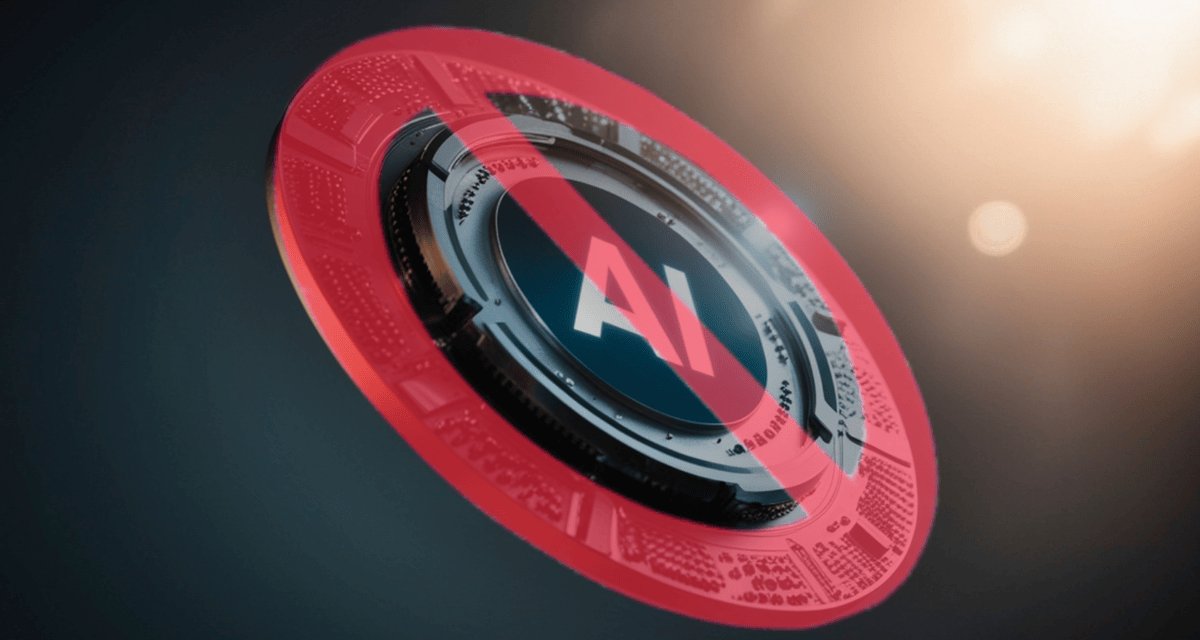
In order to prohibit contributors from using AI slop, the world’s largest collaborative online encyclopedia, Wikipedia, has tightened its rules.
The move reflects growing concern that AI-written material can undermine the encyclopedia’s sourcing and accuracy standards.
The policy change, first reported in late March 2026, updates earlier guidance that only discouraged creating new articles “from scratch”. The revised language now explicitly bars large language models from producing or revising article content, saying such text can violate several of Wikipedia’s core content policies. Nevertheless, limited use for copyediting and translation under human review will continue to be permitted.
According to reporting from TechCrunch, the English-language contributor/editor community has backed the change by a wide margin in favor of the new restriction. The debate comes amid a broader influx of AI-generated or AI-assisted pages that volunteer editors say have added extra cleanup work and created problems with unreliable citations.
Going forward, under the updated rules, contributors can still use AI tools for basic copy-edits to their own writing and for translation, as long as a human reviews the result and the model does not add original content. The policy warns that AI systems may alter meaning in subtle ways, producing text that is no longer supported by the cited sources.
The decision is part of a wider effort to keep the encyclopedia’s volunteer-produced articles readable and verifiable as generative AI becomes easier to deploy at scale. Previous efforts and measures already address the handling of low-quality machine-generated pages, including faster deletion pathways for clearly AI-written content that has not been properly reviewed.
For the 25-year-old platform that has faced recurring criticism, the new rule is a pragmatic line in the sand: AI may help with small editorial tasks, but the encyclopedia wants humans to remain responsible for the words that appear on the page.