



Global Seagate research finds nearly all organisations expect AI to increase storage requirements, but only 38% of organisations say they are fully prepared
Seagate’s inaugural 2026 Data Infrastructure Readiness Report, which examines how organisations are preparing their data infrastructure for the next phase of AI adoption, finds a widening gap between AI ambitions and infrastructure readiness.
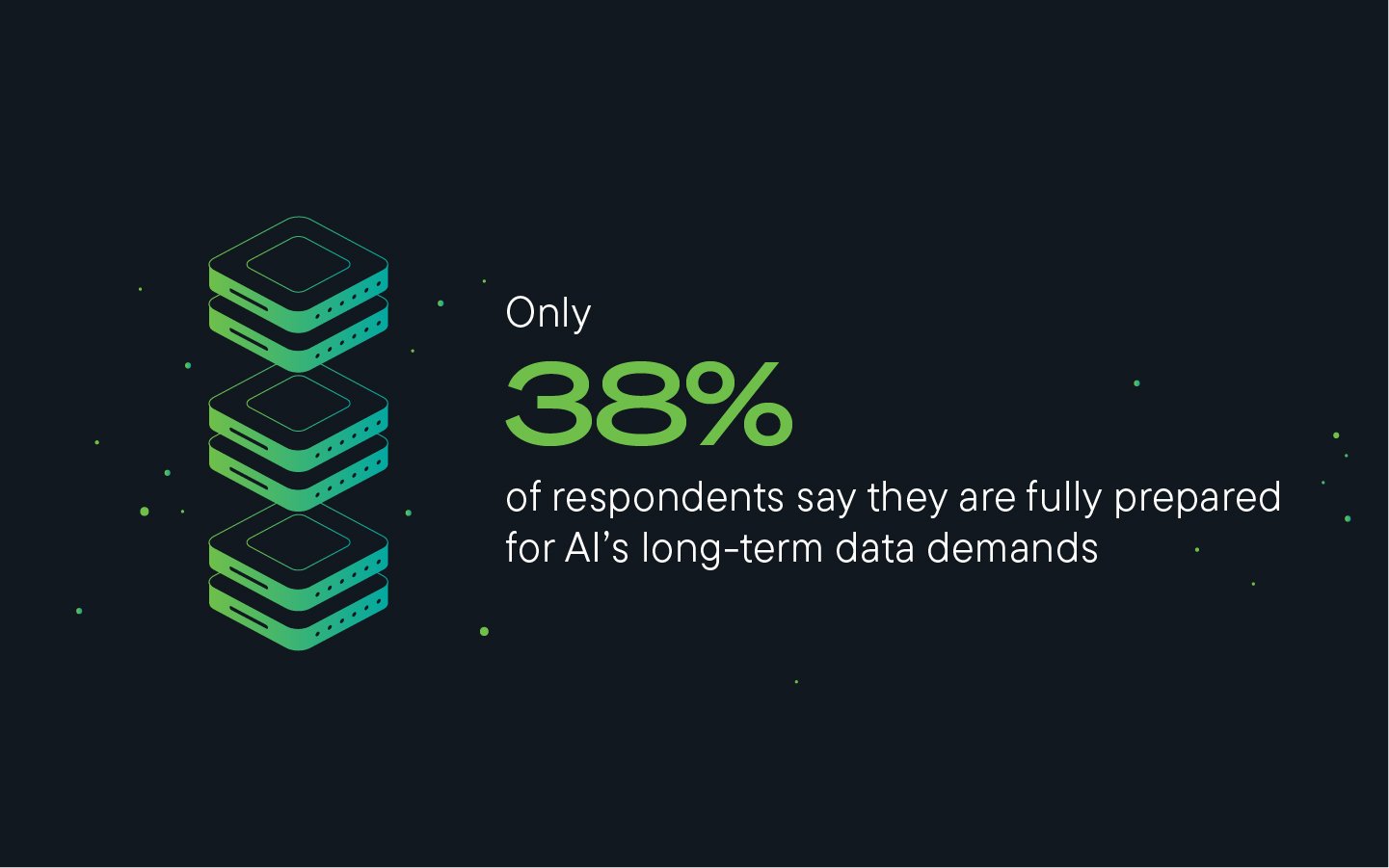
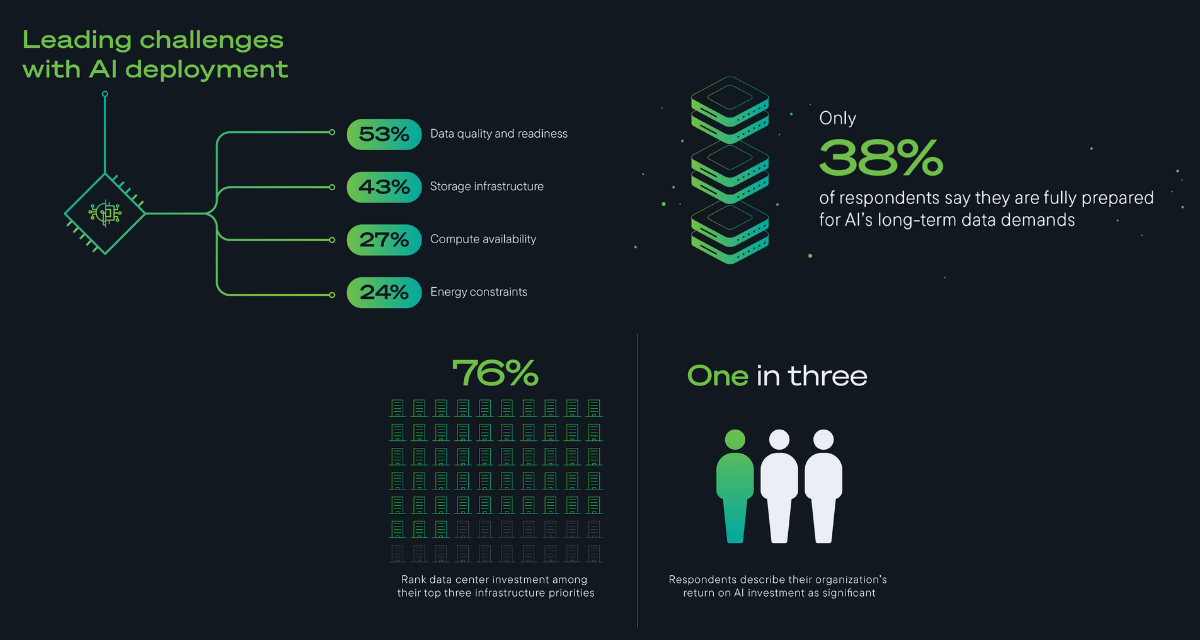
As AI moves from early use cases into broader deployment, data infrastructure is becoming more central to how organizations store, access, manage and use data at scale. 99% of organisational IT leaders expect AI to increase storage requirements, but only 38% believe they are fully prepared to meet that demand.
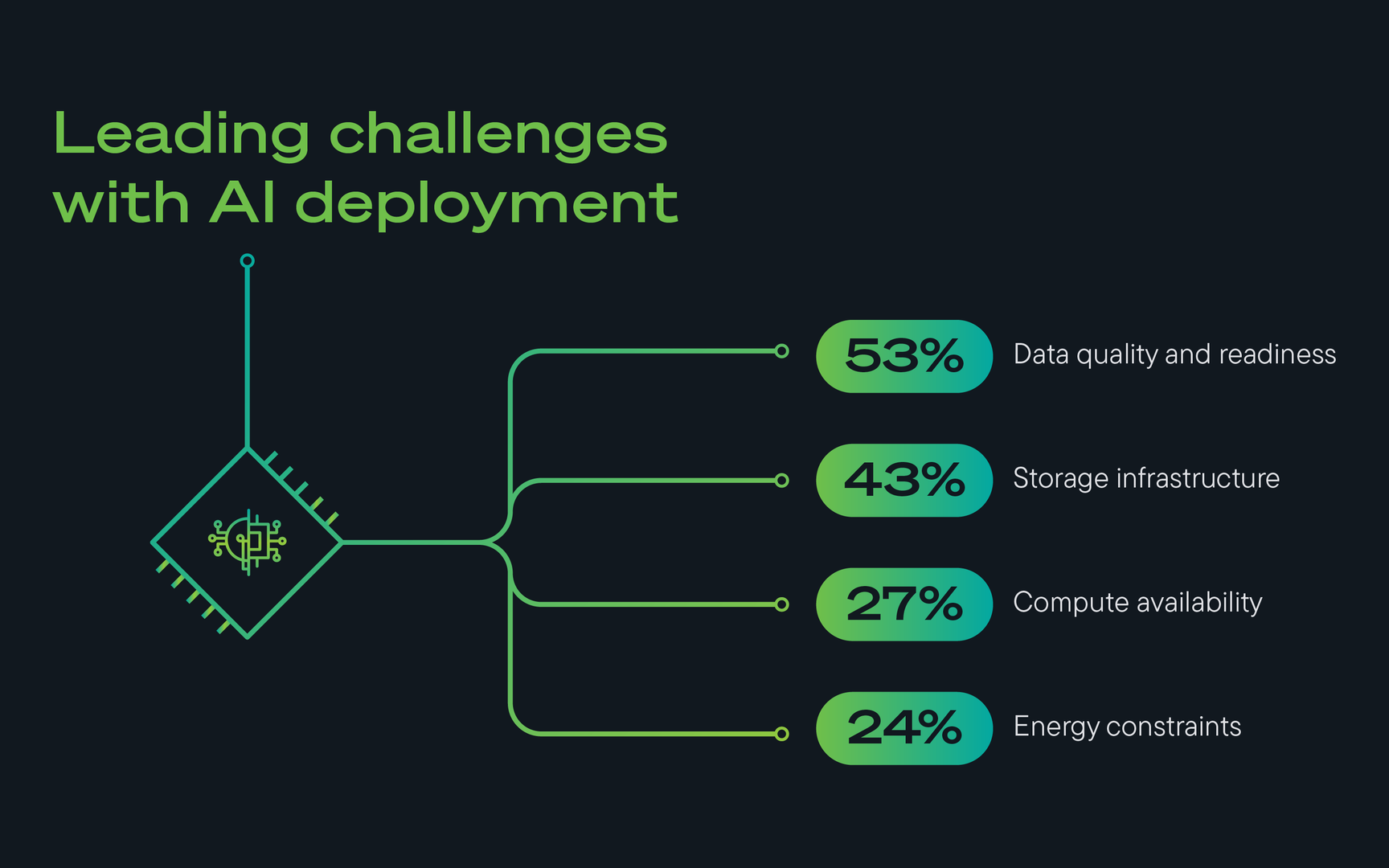
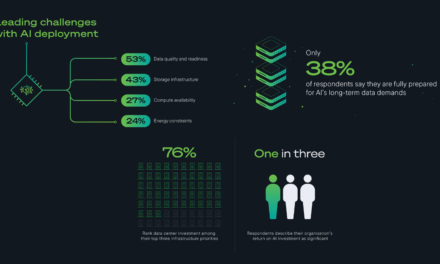
The report also finds that 86% of organisations are already seeing moderate or significant ROI from AI, increasing the value of the data underpinning these investments. At the same time, data quality and readiness (53%) and storage infrastructure (43%) rank ahead of compute availability (27%) among the leading challenges to AI deployment, pointing to the growing importance of the data foundations needed to make AI useful and scalable over time.
Conducted independently by Recon Analytics, the study surveyed 2,712 enterprise technology decision-makers across the US, China, India, UK, Germany, France and Japan.
“AI is reshaping the way organisations plan, build and operate infrastructure,” said Melyssa Banda, Senior Vice President, Edge Storage Business, Seagate Technology. “As data volumes grow, so does the value organisations can derive from the data. They need data infrastructure that helps them preserve, access and use more of that data over time.”
“Preparing for the next phase of AI is not simply about adding infrastructure capacity. Organisations also need greater visibility into where their data resides, how it is governed and how readily it can be accessed. For organisations managing data and workloads across regional and local environments, building a resilient data foundation that balances accessibility, accountability and scalability will be critical to unlocking long-term value from data,” said Futoshi Niisuma, Vice President, APJ, Seagate.
The findings also suggest that sustainability is becoming part of infrastructure strategy: not a standalone objective, but a factor shaping how organisations scale capacity, improve utilisation and support growing AI data demands over time.
“Sustainable scaling is about making those infrastructure decisions more efficient, more durable and more connected to long-term data value,” Banda said. “The next phase of AI will require capacity growth, but capacity alone will not be enough. It will be defined by smarter infrastructure decisions on how effectively organisations scale, organise, retain and use the data that AI depends on.”
She believes that the companies that can create lasting value from AI will be the ones that treat data infrastructure as a business strategy.