
The 3 September disruptions are leading to pointed questions about enterprise readiness to AI platform outages, especially involving little-known overlapping infrastructure
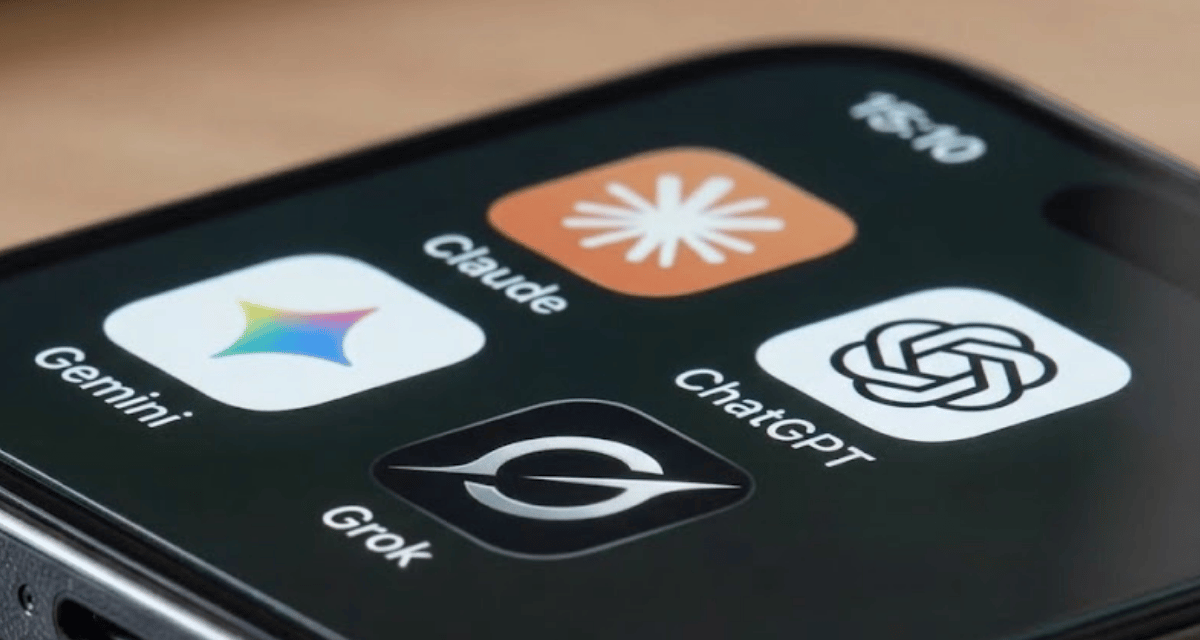
On 3 September 2026, three of the world’s prominent AI platforms —ChatGPT, Claude, and Grok — went down within minutes of one another, interrupting service for millions of users and underscoring how interdependent the AI industry’s infrastructure really is.
All services were back online by early afternoon Pacific time, but the incident quickly raised pointed questions about shared dependencies among companies that publicly compete, according to reports by Forbes and other publications.
Although the outages appeared almost simultaneous at first glance, evidence indicates they stemmed from two separate problems rather than one chain reaction.
- Claude and Grok filed incident reports just four minutes apart, at 1:26 PM and 1:30 PM UTC.
SpaceXAI has confirmed that Grok’s disruption traced back to its Memphis compute center, and issued an unusual apology to “impacted compute partners”, marking the first time any of the three labs acknowledged that external customers were affected. - Anthropic, which had announced a compute partnership with xAI’s parent company in May 2026 and which leases capacity in Memphis, has not explicitly confirmed the Memphis connection, but the tight four-minute gap between its outage and Grok’s strongly implies a shared facility was involved.
- ChatGPT’s issues began 92 minutes later, at 2:58 PM UTC. By contrast, these appear unrelated to the Memphis event, and were attributed by an OpenAI engineer to “a routing error within our infra” but not tied to the GPT-6 Astra launch that followed on 4 September 2026.
- No Azure incidents were reported during the outage window, and Cloudflare had said its infrastructure was operating normally, effectively ruling out two widely circulated theories about a broader cloud or CDN failure.
Downstream tools felt the outage impact immediately. Cursor, a coding environment used by millions of developers, had confirmed its own outage because it depends on two of the affected platforms under the hood.
The five-hour disruption has intensified debate over whether enterprises are adequately prepared for AI downtime. One industry observer had reportedly noted: “If critical functions run on cloud-based AI — whether that is your SOC, your service desk or your production line — can you still run the business when it goes down? For most organizations, that answer is no, and nobody has tested it.”
As of Friday, 4 September 2026, neither OpenAI nor Anthropic had published a full technical postmortem.
The episode has exposed a structural reality most end users never see: rival AI firms often rely on overlapping infrastructure. Underneath them, the AI ecosystem is much more interconnected, according to observers.